


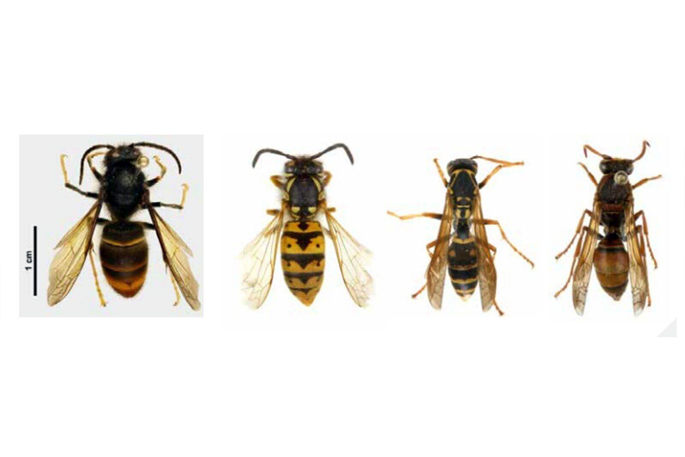
Kiwifruit and avocado growers using bees for pollination should be on the lookout for a predatory insect pest.
Yellow-legged hornets, which feed on bees, were detected recently on properties in Auckland.
Threat to honeybees
Kiwifruit Vine Health (KVH) in support of Biosecurity New Zealand is urging kiwifruit growers to check beehives in their orchards and report sightings immediately.
“This hornet is not a pest of kiwifruit but does seriously threaten honeybees, which could impact our access to pollination services,” says KVH chief executive Leanne Stewart.
At this stage, she says KVH is monitoring the investigation and supporting Biosecurity New Zealand’s activities – especially around monitoring for suspected nests.
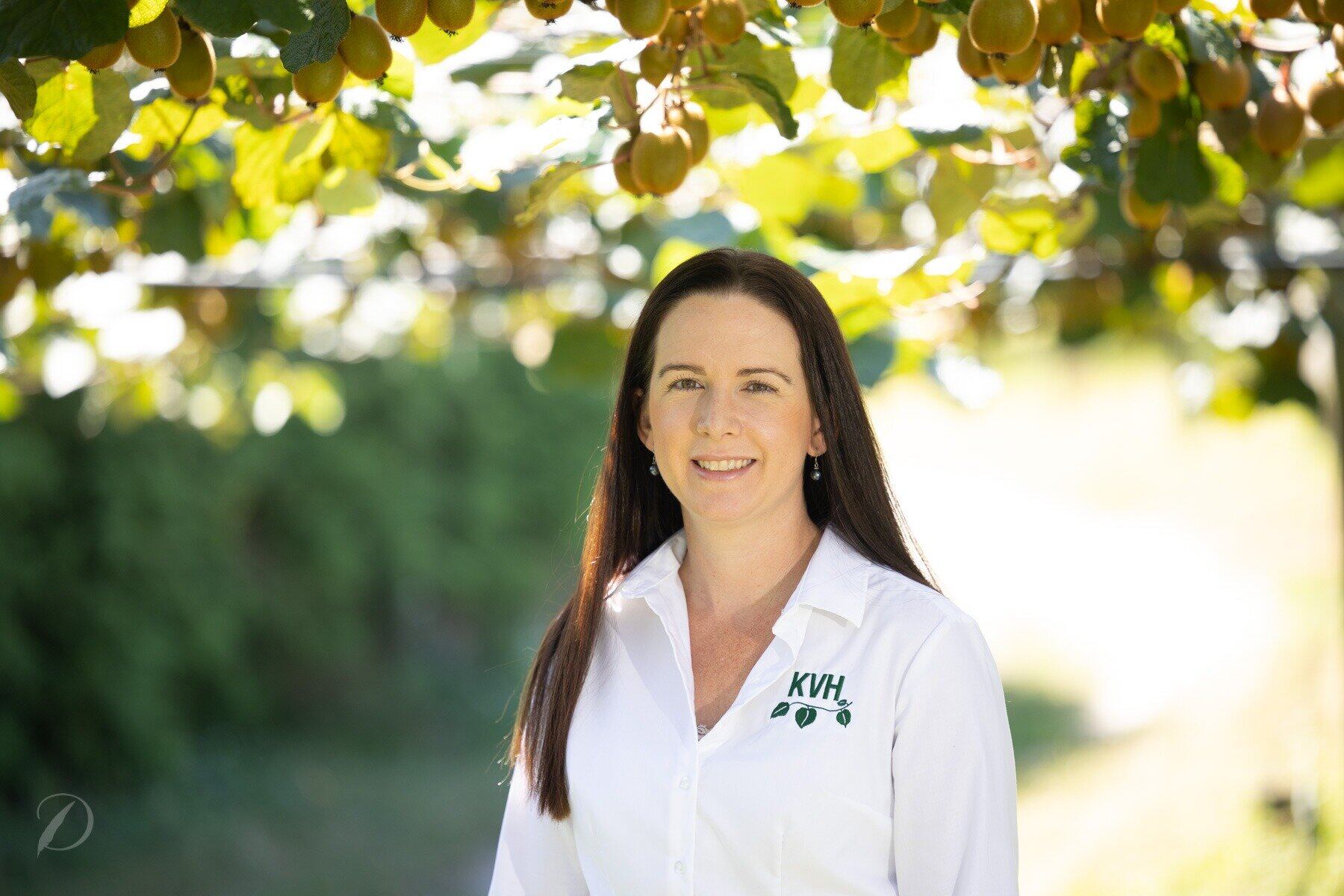
Photo by Jamie Troughton/Dscribe Media Services Kiwifruit Vine Health chief executive Leanne Stewart. Photo / Jamie Troughton, Dscribe Media Services
Stewart says with warmer weather on the horizon, the risk of new nests forming increases, making early detection critical to protect crops and ecosystems.
For pollination, beekeepers usually drop off hives at kiwifruit orchards in late October.
In a previous interview, Matamata beekeeper Matt Crawford – who has a number of kiwifruit clients in the Bay of Plenty – told Coast & Country News hives are usually left at the orchards for a couple of weeks before collection.
There are 8-10 hives per canopy hectare, with his honeybees serving both the Gold and Green varieties of kiwifruit.
“Kiwifruit is particularly reliant on insect pollinators as its male and female flowers are located on separate plants.”
Risk to pollination
It is a similar story for avocado growers. New Zealand Avocado chief executive Brad Siebert says growers and the public in the Auckland region are being alerted to the hornet issue.
“This presents a risk to pollination services in the avocado industry.
“We encourage all growers to remain vigilant; look out for hornets or nests and report any sightings.”
Siebert says avocados are “pollination-reliant” through spring.
While natural pollination does occur – through wind and other insects – he says avocado growers routinely bring in hives because the introduction of honeybees to orchards greatly increases the potential for a better crop.
Siebert says NZ Avocado has been engaged with other sectors and Biosecurity NZ to support the development of a “well-managed response” to the hornet issue.
More than half of New Zealand’s commercial avocado growers are in the Bay of Plenty, with the balance in Northland and a small percentage in the Auckland region.
Biosecurity New Zealand Commissioner North Mike Inglis says yellow-legged hornets build large nests up to 80cm tall, often high in trees or under eaves.
However, early embryo nests created by queen hornets at the beginning of the spring season can be as small as a tennis ball and may appear within a couple of days.
“Do not disturb any suspected nest,” says Inglis.” Take a photo and report it to Biosecurity New Zealand.”
Dark legs, bright yellow tips
The yellow-legged hornet has distinctive dark legs with bright yellow tips.
In contrast, common wasp species in New Zealand, such as the German wasp, typically have uniformly yellow or yellow-striped legs.
The yellow-legged hornet is also much larger than honeybees and common wasp species seen in New Zealand.
By mid-November, when Coast & Country News went to print, RNZ reported that seven queen yellow-legged hornets had been found in Auckland so far.
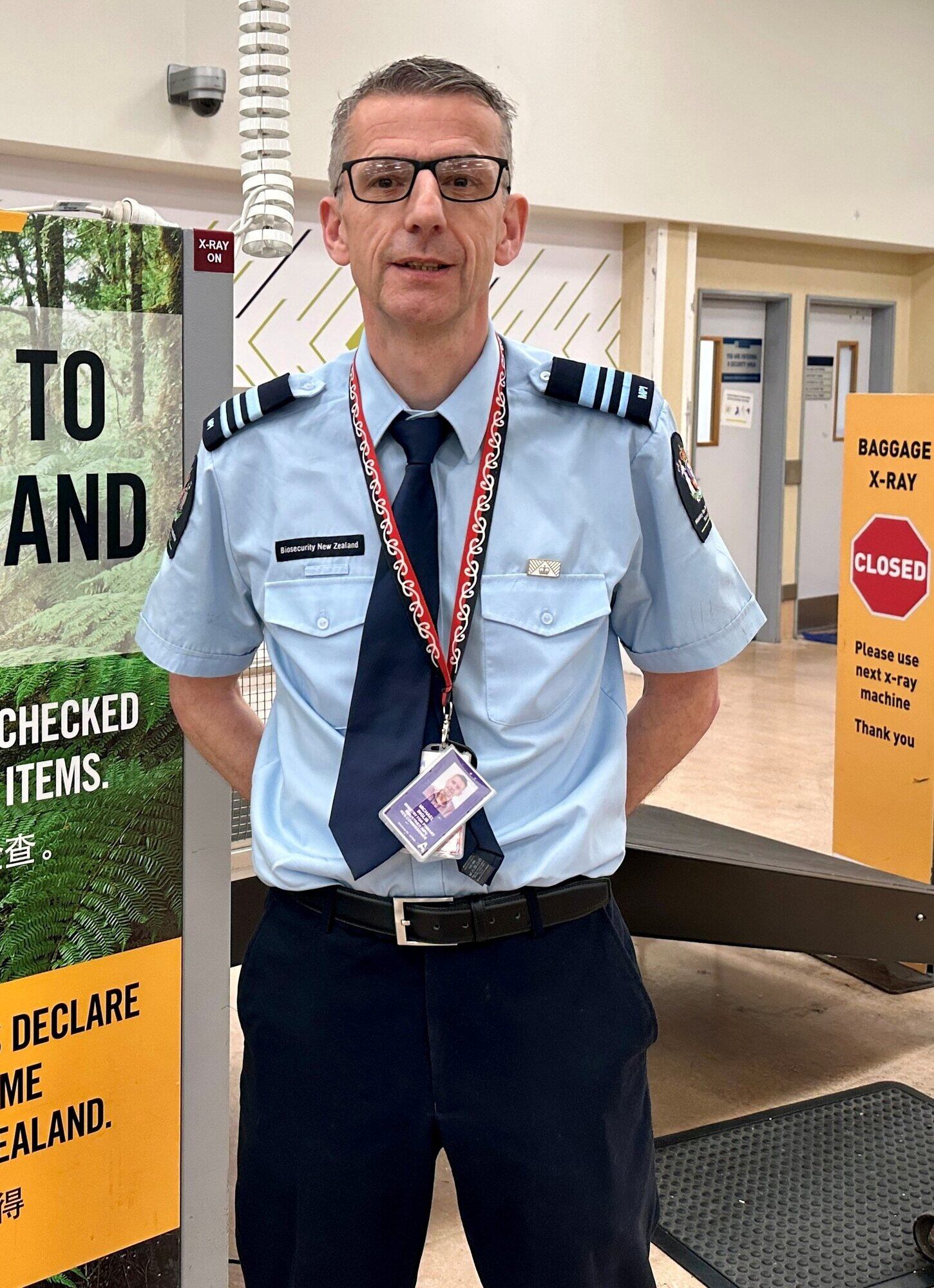
Biosecurity New Zealand Commissioner North Mike Inglis. Photo / Supplied
While Inglis and his team believed it is unlikely yellow-legged hornets are present beyond Auckland, he says, “Biosecurity NZ is closely monitoring the situation and is encouraging people to remain vigilant and report any suspected hornet or nest sightings.”
To support surveillance, Biosecurity NZ has laid traps in a measured way in areas where females have been found.
“We have more than 120 traps in the field,” Inglis says.
Indirect impacts
Although the hornets are unlikely to directly target kiwifruit or avocado crops, he says there may be indirect impacts through reduced numbers of pollinating insects.
“Yellow-legged hornets pose a biosecurity risk because of their potential impact on honeybee and wild bee populations.
“We are currently undertaking a risk assessment to better understand the potential impacts of the hornet, which will provide more information,” says Inglis.
“We are also assembling a panel of experts to help us answer questions around the best management options for this hornet, including improving the traps and lures for New Zealand conditions.”
Best tool is people
“The best surveillance tool we have right now is for people to report any sightings of suspected hornets or hornet nests online or through our pest and disease hotline.”
Reports can be made through report.mpi.govt.nz or by calling Biosecurity NZ’s exotic pest and disease hotline on 0800 809 966.
“We are unsure how the hornets arrived in New Zealand,” says Inglis.
“However, the species is a known hitchhiker pest. It originates from Southeast Asia but is also present in Europe and has been detected in the United States.
“Many countries throughout Europe and Asia have yellow-legged hornet and manage it.
“However, we don’t want it here and that is why we’re tracking it down.”

0 comments
Leave a Comment
You must be logged in to make a comment.