


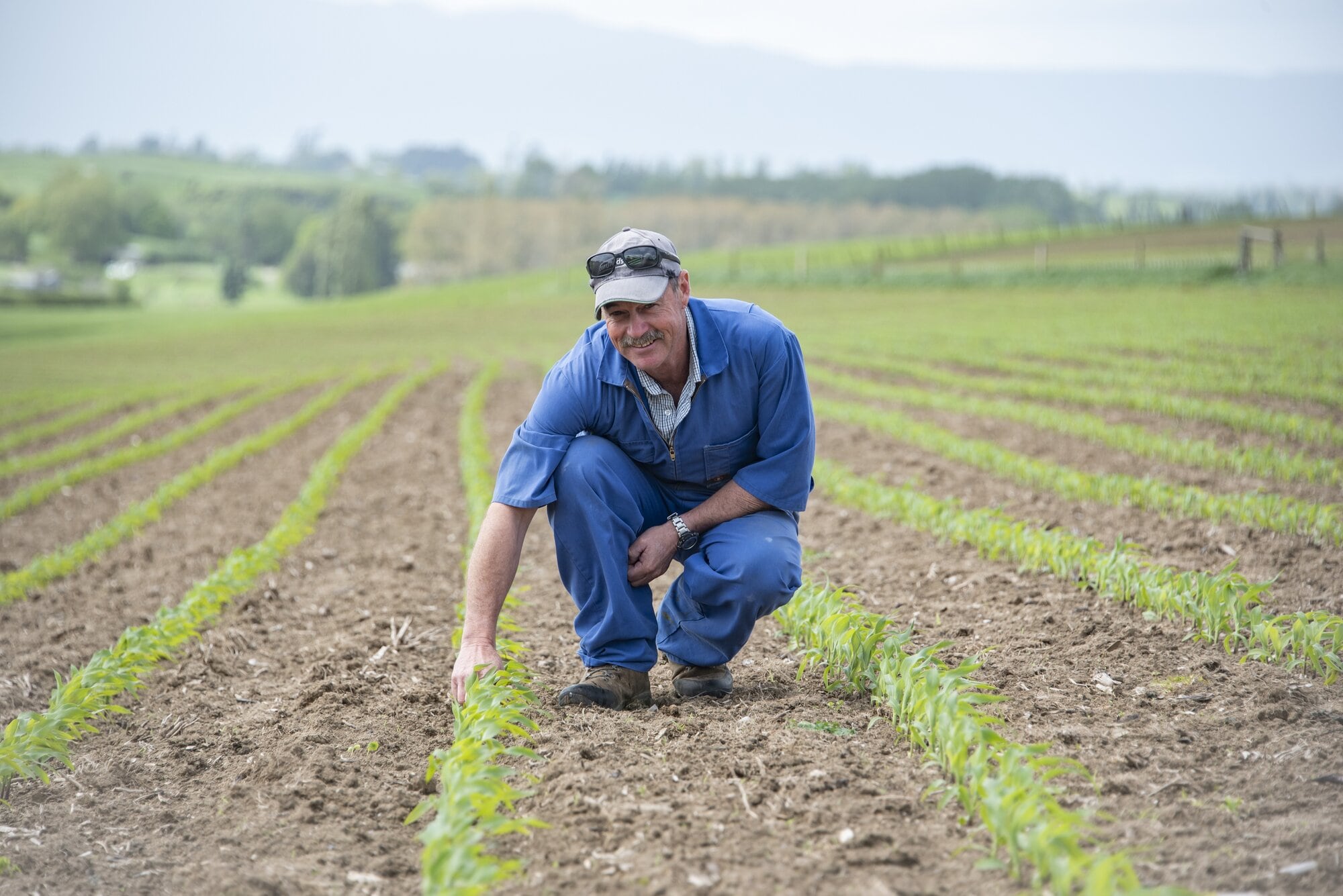
Third-generation Karāpiro farmer Grant Dixon has more than three decades of farming in management roles under his belt. Grant and his wife Sue currently run a mixed farm of 217ha across three blocks with deer for velvet and venison, sheep and lambs, finishing beef, finishing lambs, dairy grazing, maize cropping and supplying their own butchery in Auckland.
Dixon is the chairman of Northern North Island Arable Research Group.
Was spring unusually wet?
As with every farmer, Grant and Sue Dixon’s success depends on the weather doing the required thing at the required time. Out of curiosity, they collect data for rainfall, temperature and soil temperature.
“Spring 2025 has definitely been wetter than expectations, which results in our dairy farmers capitalising on the volume of average-quality spring grass but also needing to feed out,” Grant Dixon said.
He agrees that compared with the last three years, this spring was wet – but says if you go back further into the 2000s, this kind of rainfall has occurred before.
“I think we have to look back over longer periods of time to see what’s happened before. If you talk to the older generations, they’ve actual memories of summer starting much sooner and they’ve noticed a shift to later summers.
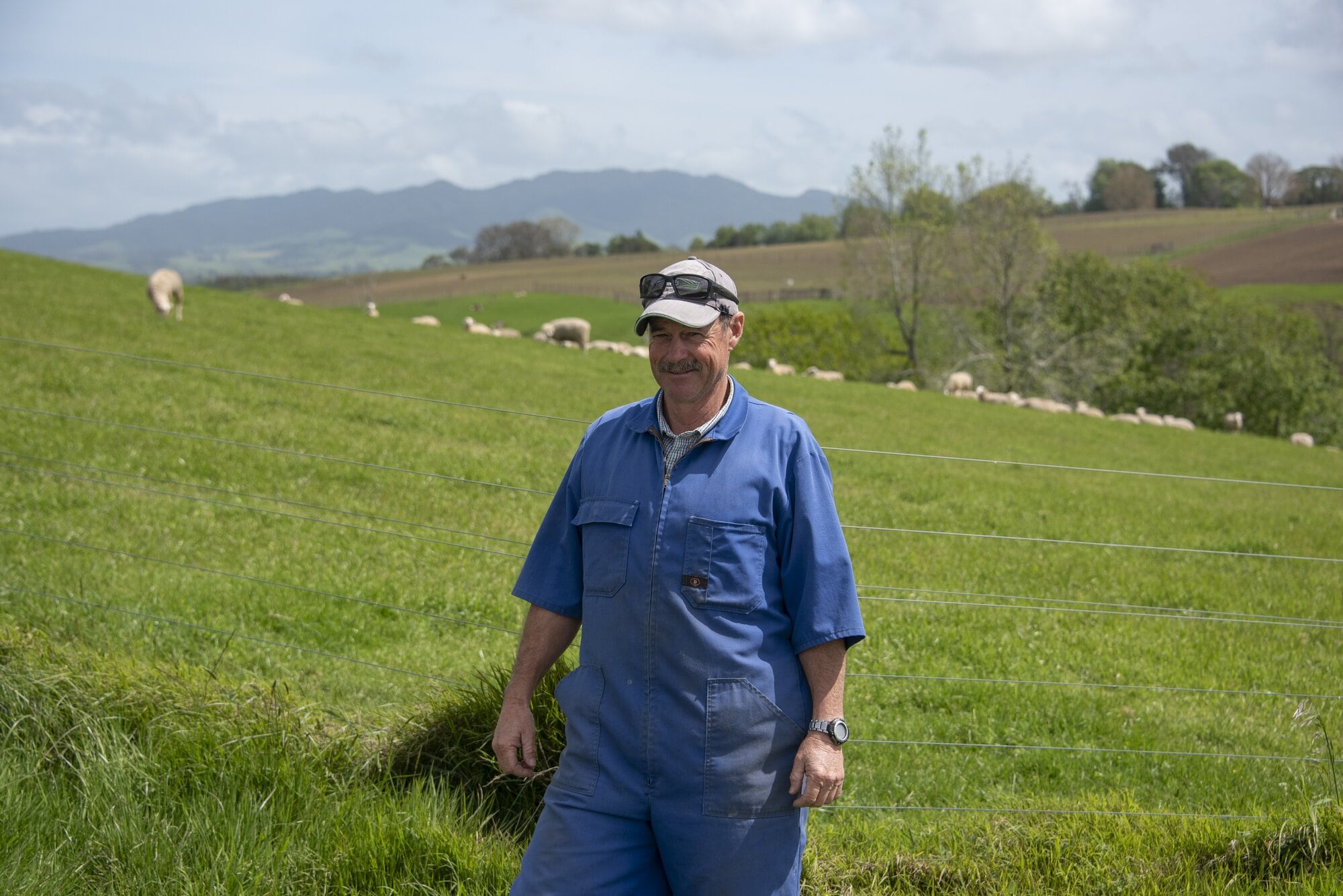
Grant Dixon runs a 217ha mixed farm across three blocks with his wife Sue. Photo: Catherine Fry
“When I was at primary school in the late 1970s, even I remember the droughts from November through to May. I lived on a farm, and the droughts were quite brutal.”
Dixon is aware of many contractors being about three weeks behind in 2025, as “it’s been difficult to get three consecutive rain-free days”.
Longer periods
“Our rainfall data over 15 years doesn’t show trends indicating a persistent upward or downward trend. We’ve looked at our graphs for January to December and also July to June over the 15 years to see if anything stands out.
“A pattern we’ve noticed is that the rainfall data does appear to be consistent in three-year blocks. One three-year block could be consistent in rainfall amount, then the next three-year block may be consistent within itself but is lower or higher than the previous three-year block.”
Sue Dixon collects and collates the data. She points out that they may notice the three-year blocks, but how often each three-year block is repeated or whether there’s a pattern is not clear from only 15 years of data.
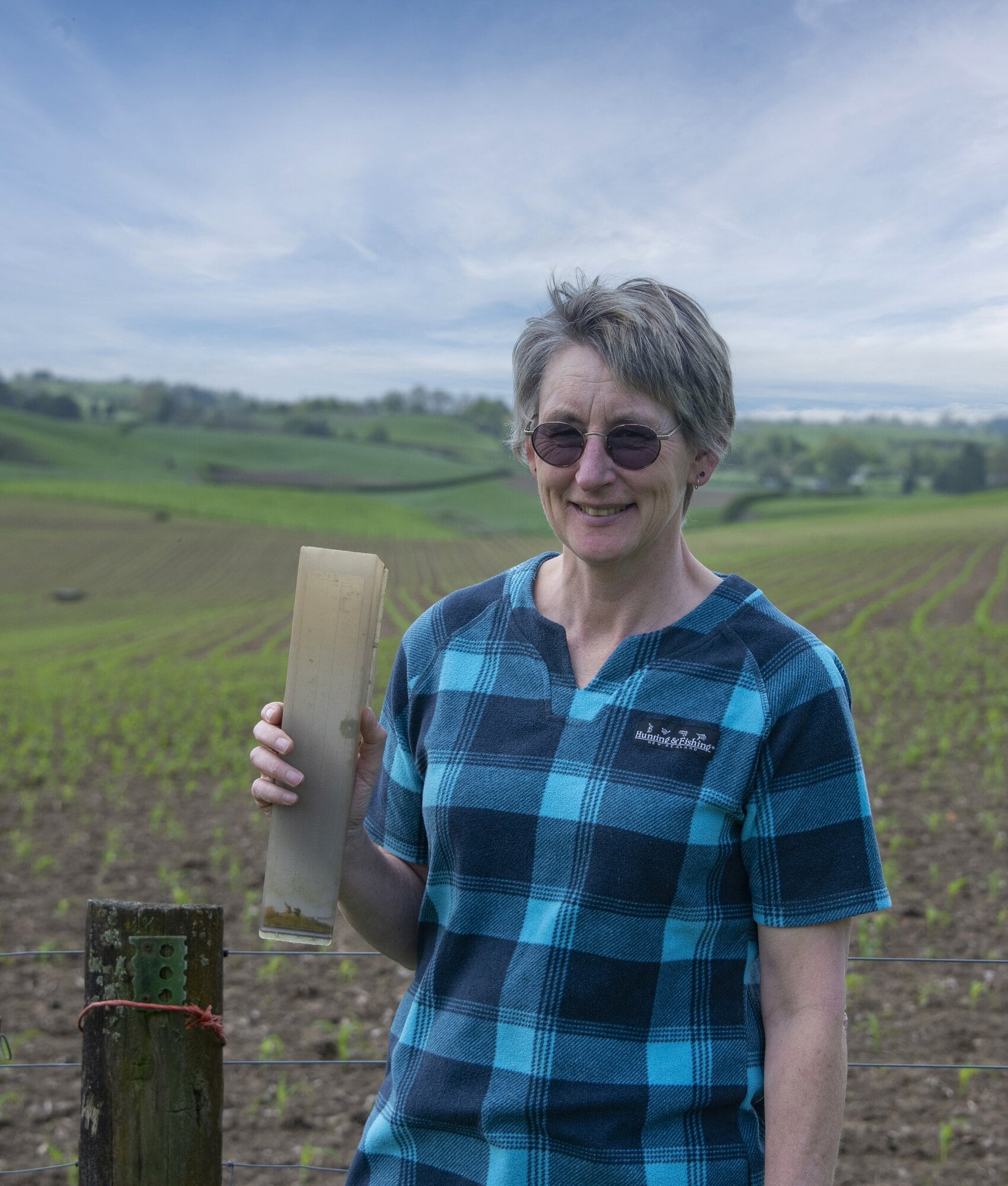
Sue Dixon takes the lead with collecting and collating rainfall, temperature and soil temperature on the farm. Photo: Catherine Fry
“What is clear when you put 15 years of the same month together on a graph is that from time to time there are noticeable spikes of extreme weather, which could be droughts, cyclones or intense rain,” says Sue.
“A good example is our January data, where one year 247ml of rain fell in January, but the average January rainfall over the whole 15 years of Januarys was only 90ml, with the least being 10ml.”
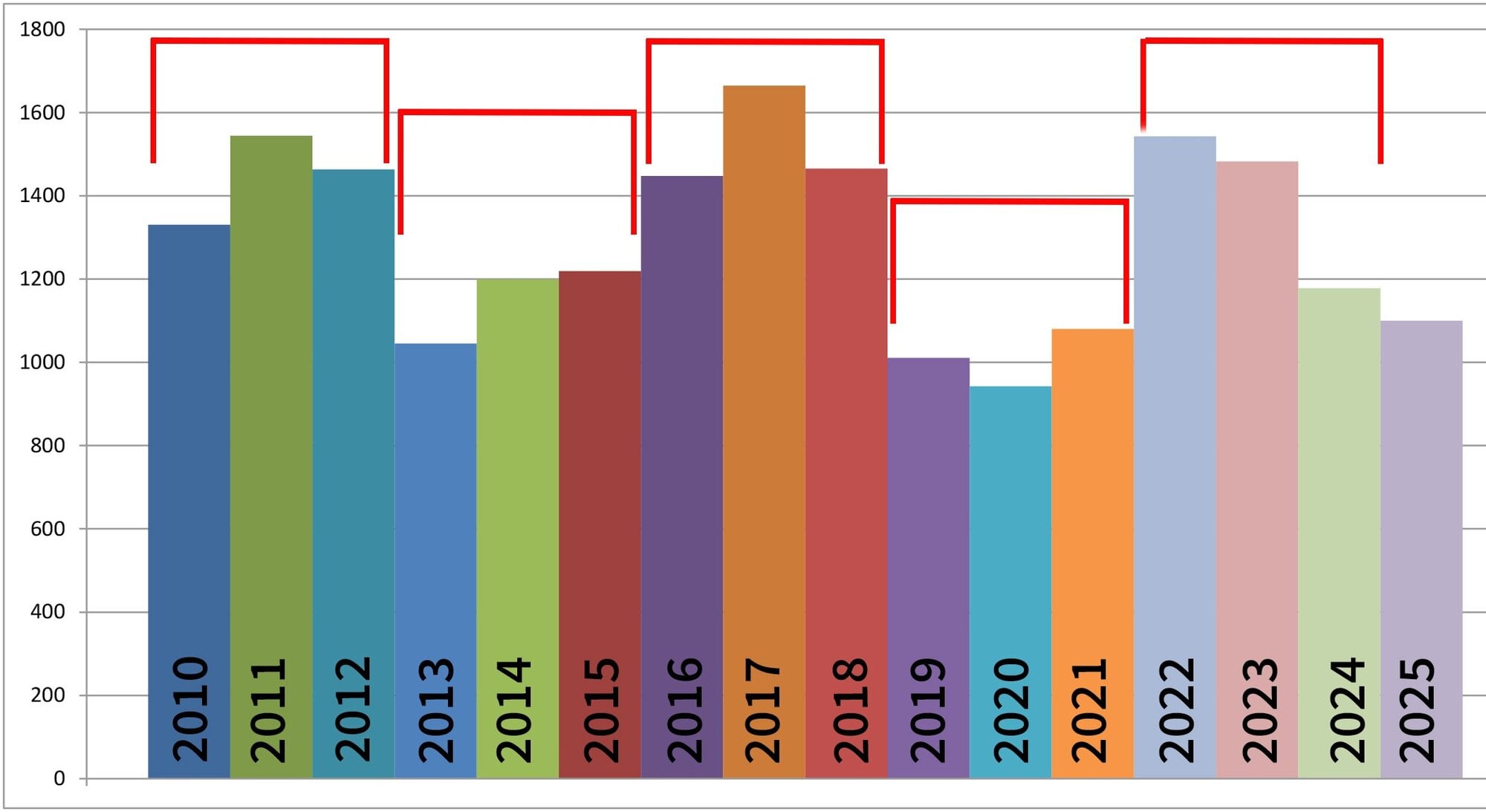
The Dixon property’s annual rainfall in ml from January to December showing some clear three-year patterns up to 2024. Photo: Catherine Fry
Grant Dixon accepts that official climate change data is showing upward trends but argues we have been here before, just not in our times.
“Paleontological evidence shows huge dinosaurs and huge trees living in warm, tropical climates with plenty of methane and carbon dioxide emissions happening that were nothing to do with human activity.
“Then we had the Ice Age, which was a prolonged period of global cooling. These events took place over millions of years. We only have a few hundred years of human data, which is a blink of an eye in a much bigger, slower picture.”
A side quest for 2025
From years of experience, Grant Dixon has found the sweet spot for growing maize on his farm. The Tirau ash soil is forgiving, with high organic-matter content.
“I spray off, spike, rototill and plant 15.5ha at the rate of one hour 20 minutes per hectare. I find this the most economical cost per hectare and time spent and it’s minimal tilling. Last year my yield was 27 tDM/ha.
“I work from crop removal data and soil tests to work out what inputs I need.”
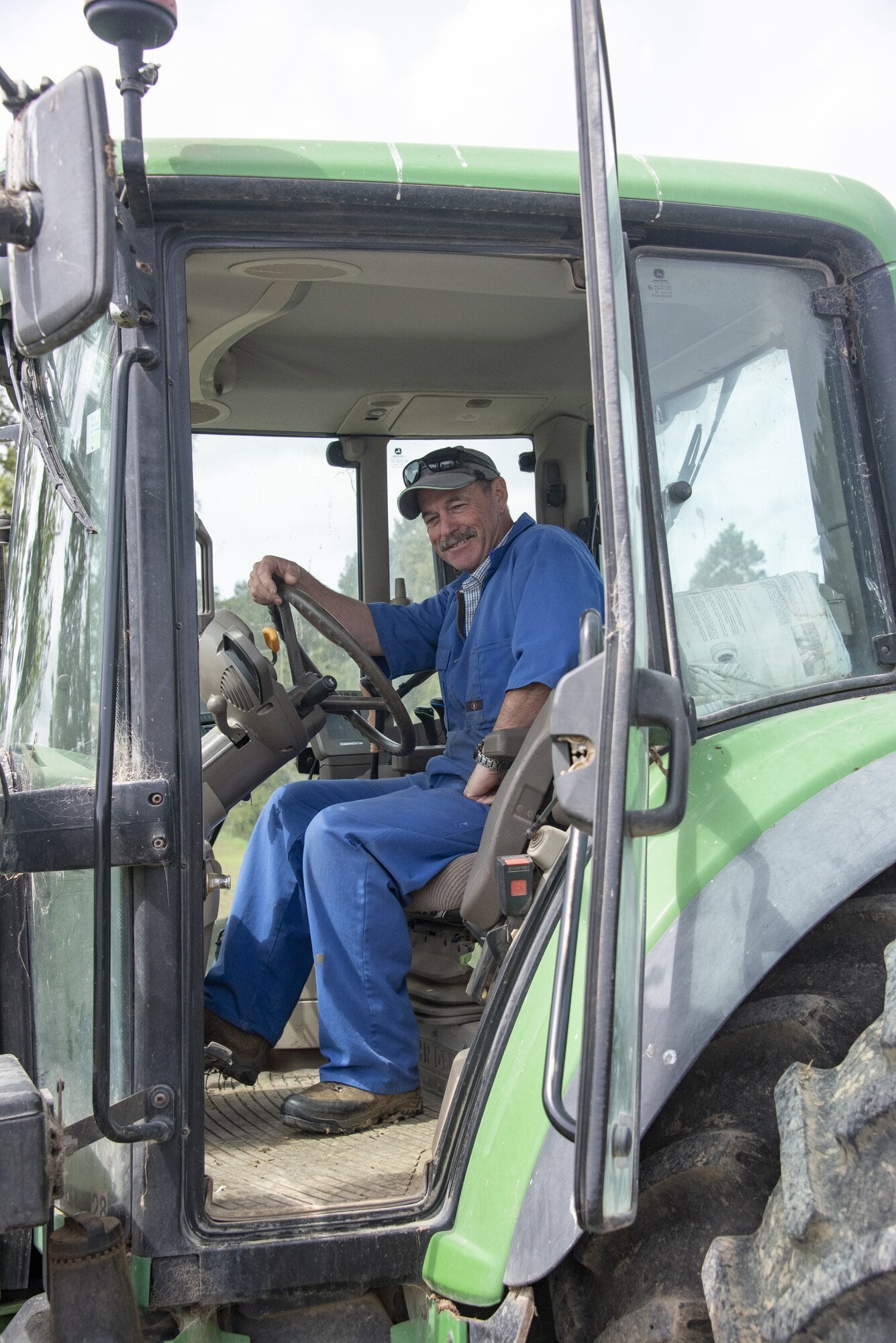
Northern North Island Arable Research Group chair and farmer Grant Dixon. Photo: Catherine Fry
Following small-scale trials in 2024, Dixon will be adding sugar in the form of molasses to his maize ground pre-plant, alongside his usual soil testing and input regimes.
“Some American research said that the most consistent results from trials were when sugar was used. A crude analysis of last year’s trial definitely showed something was happening.”
It makes sense to Dixon that the soil microbiology and fungi all require energy to thrive, and if you feed them, the soil improves and the crop is healthier, but it takes time.
According to plant breeders, he said, Waikato should be producing 30 to 35t/ha of maize, whereas the average is only producing 20 to 21 t/ha.
Dixon intends to use molasses for a few years to get a feel for it himself, before getting scientists involved to see if there’s a scientific improvement in his maize and soil.

0 comments
Leave a Comment
You must be logged in to make a comment.