


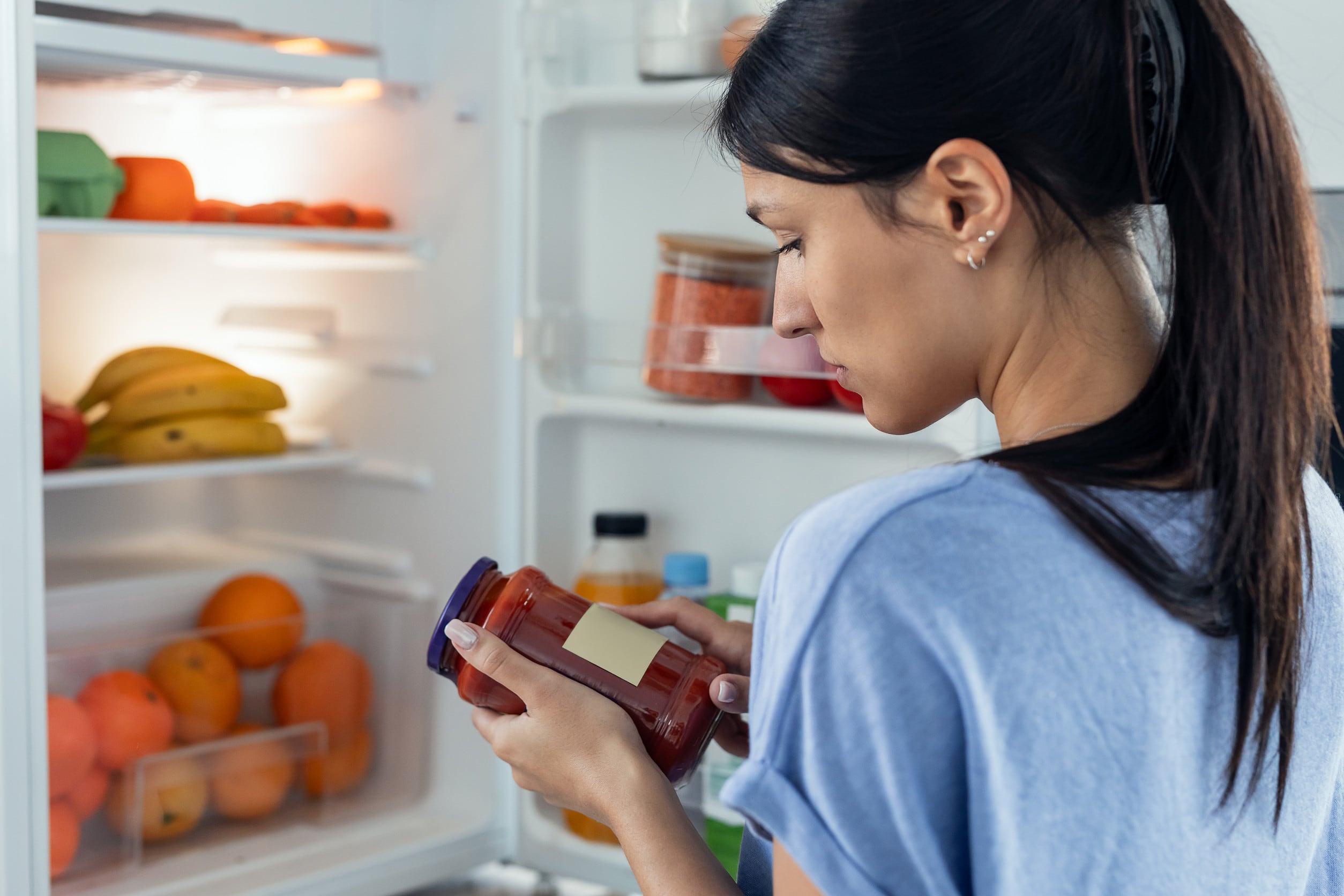
New Zealand Food Safety is reminding Kiwis to keep food safety top of mind as they head into this festive season.
“No one wants to spend their holiday sick or knowing that they have made others ill from food,” said New Zealand Food Safety (NZFS) deputy director-general Vincent Arbuckle.
Cases of food poisoning typically rise during summer months as people enjoy eating outdoors, travelling and barbecuing, Arbuckle said.
“We all know washing hands before handling food is our first line of defence. Here are some other practical tips for the summer – whether we’re at home or at the campground.”
Don’t wash raw chicken
Washing raw chicken does not make the chicken any safer but it does spread harmful bacteria around the kitchen increasing risk of contamination. Instead, NZFS recommends patting chicken dry with a paper towel and putting the paper towel in the rubbish bin.
To prevent cross-contamination always wash hands after handling raw chicken and keep raw chicken separate from ready-to-eat and fresh foods, using separate chopping boards, plates and utensils to prepare raw chicken.
Always thoroughly wash preparation surfaces, dishes and utensils with hot soapy water, then rinse and dry them before using them for other foods. Use a different plate for raw and cooked chicken.
Don’t let raw chicken or its juices touch ready-to-eat foods, and ensure you cook chicken thoroughly until juices run clear.
Safe barbecuing
Use separate utensils, chopping boards and plates for raw and cooked meat, and barbecue meat until it is more than 75C all the way through and thoroughly cooked.
If you don’t have a thermometer, turn chicken, pork and sausages often so they cook evenly, and juices run clear.
Mince should be thoroughly cooked right through until firm and browned to kill harmful bacteria that could be introduced through processing and preparation.
Ensure your barbecue and cooking tools have been cleaned with soap and water before using. Marinate meat in a covered container in the fridge and cook marinades before pouring over cooked meat. Keep raw meat and cooked food or ready-to-eat foods (like salads) separate.
Chill food
Store foods like salads, meats and cheeses in a chilly bin with ice packs until needed. Cover and chill food until you cook it – and chill leftovers as soon as possible too.
Leftovers – ensure you chill them within two hours and eat within two days. When in doubt, chuck them out.
Store purchased food in a chilly bag or bin with ice packs to transport long distances.
Level up leftovers
Leftovers of cooked meals that are normally eaten without reheating – like pasta salads, roast vege salads or potato salads – should be refrigerated and eaten within two days.
Leftovers eaten hot – keep refrigerated and eat within four days. Reheat until piping hot before eating.
Eat salads containing raw leafy greens as soon as you can after preparation. Use any leftover salad as ingredients in cooked dishes – like soups and stews – or throw them out.
Store in a ham bag in the fridge for up to seven days if you plan to eat it cold. If you reheat it to piping hot (more than 75C) before eating, it can be kept for a further two days. Or freeze slices for later use.
Keep rice-based leftovers refrigerated and eat them within two days. Uncooked rice can contain bacterial spores that survive cooking. The spores then form bacteria, which produce toxins that cause food poisoning – and toxins are not destroyed by reheating.
Defrost frozen leftovers in the fridge or microwave. Don’t reheat leftovers more than once.
Sign up to our food recall alerts as soon as they happen.
For more information, see: www.mpi.govt.nz/dmsdocument/3662-Food-Safety-at-Home.

0 comments
Leave a Comment
You must be logged in to make a comment.