


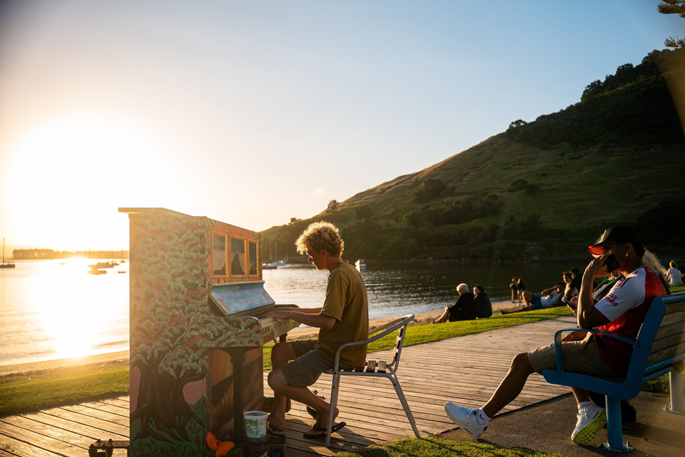
The Mount Maunganui landslide tragedy has taken lives, shattered families, and had a profound effect on locals and visitors. NZME journalist and Mount local Rosalie Liddle Crawford, who regularly brings out her piano on summer evenings in Pilot Bay to play and allow others to play, captures the mood of the Mount by speaking to people and finding out how they are feeling, grieving, and what the maunga means to them.
In the days since the deadly landslides at Mauao and Welcome Bay claimed eight lives, the communities of Mount Maunganui, Tauranga and Welcome Bay have been moving through shock, grief and quiet disbelief.
For many, the loss is not only of people, but of a place that anchors daily life – a mountain walked, climbed, circled and loved.
From beachside and city park vigils to impromptu hugs between strangers, flowers laid, karakia offered, and flax woven in shared silence, the response has been one of collective mourning, care and connection.
Residents and visitors alike are trying to make sense of an unimaginable tragedy.
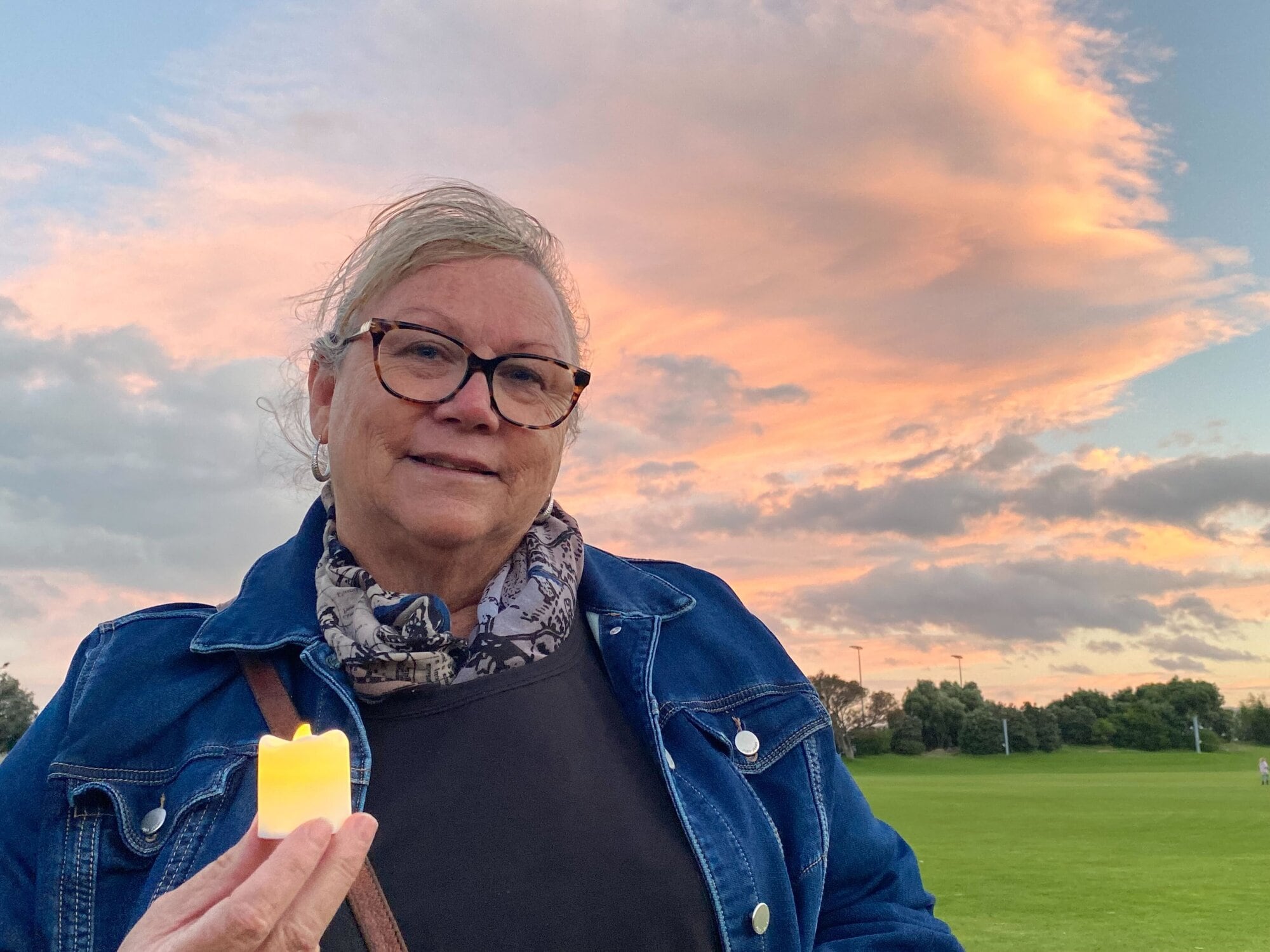
Deby Davis at the vigil at Blake Park on Sunday, January 25. Photo / Rosalie Liddle Crawford
One is Tauranga local Deby Davis, who attended last Sunday’s vigil at Blake Park.
Davis left the Mount Hot Pools only minutes before the landslide.
“I looked at the clock at the hot pools. I’d just had a beautiful swim, enjoying the mountain, and a tree in the campground with white flowers that still remains,” she said.
“At 9.10am, I thought I’d better get out. I stayed a bit longer, probably about 9.15am, and left by 9.25am. Minutes later, it collapsed. Where I’d been sitting is where the soil came up. I had no idea it had happened until I got to the supermarket and saw people crying.”
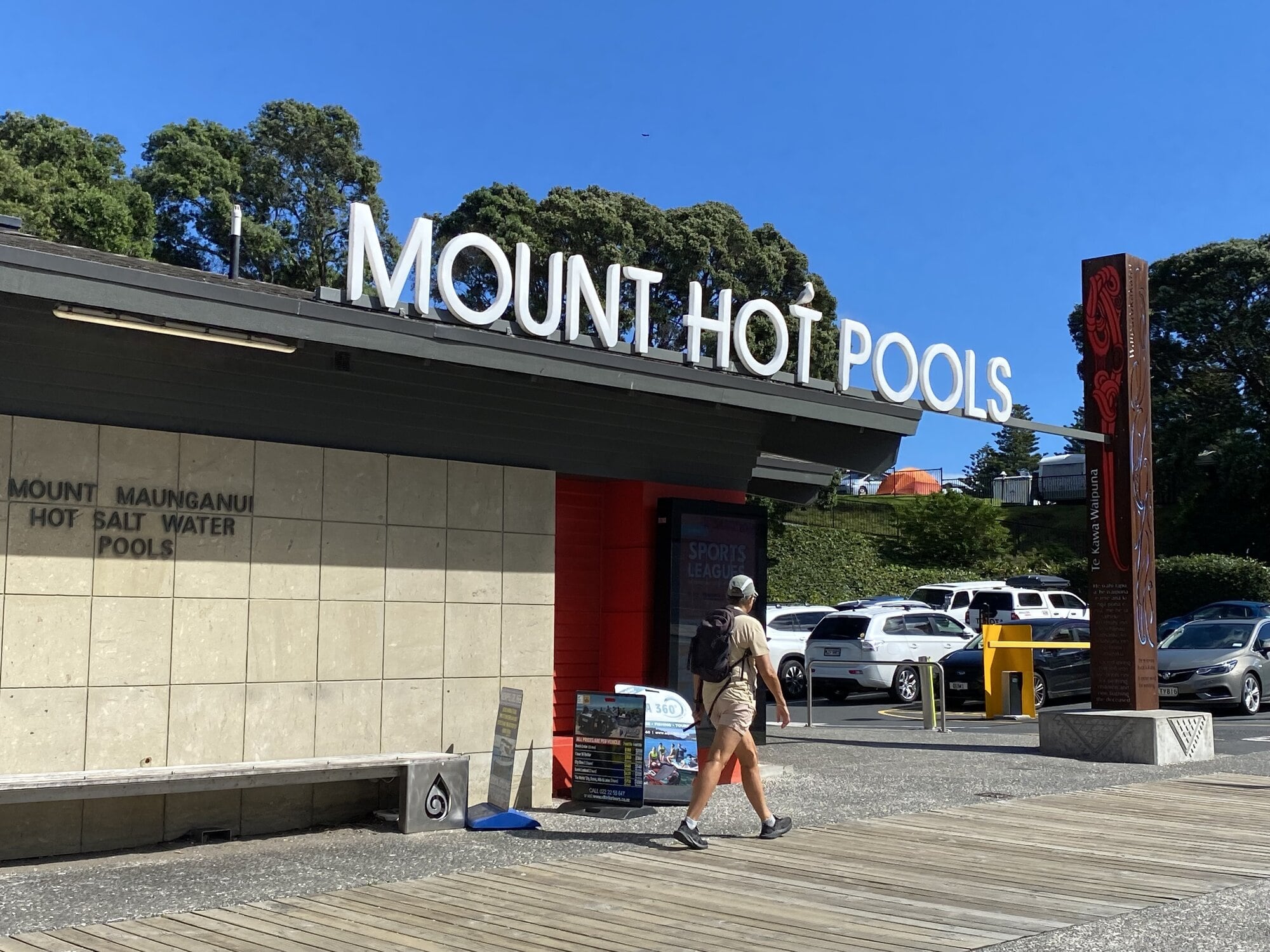
Mount Hot Pools on January 8. Photo / Rosalie Liddle Crawford
Resident Anna Kiriakidis reflected on the multi-layered grief sweeping the community.
“It’s more than just the physical tragedy. There’s the loss to families and to the land, and the time that people have set aside in the year to come and enjoy a joyful summer holiday. Nobody really knows how that’s going to resolve. It’s hard to cope with.”
On Wednesday night, locals gathered at the beach piano in Pilot Bay to share their thoughts.
Karen Hawker said she felt “totally devastated for all the families”.
Friends Jenni, 70, and Joy, who did not want their surnames used, were also at Pilot Bay.
Jenni described the atmosphere as “eerie … I’ve never felt this at the Mount. It’s just sad.”
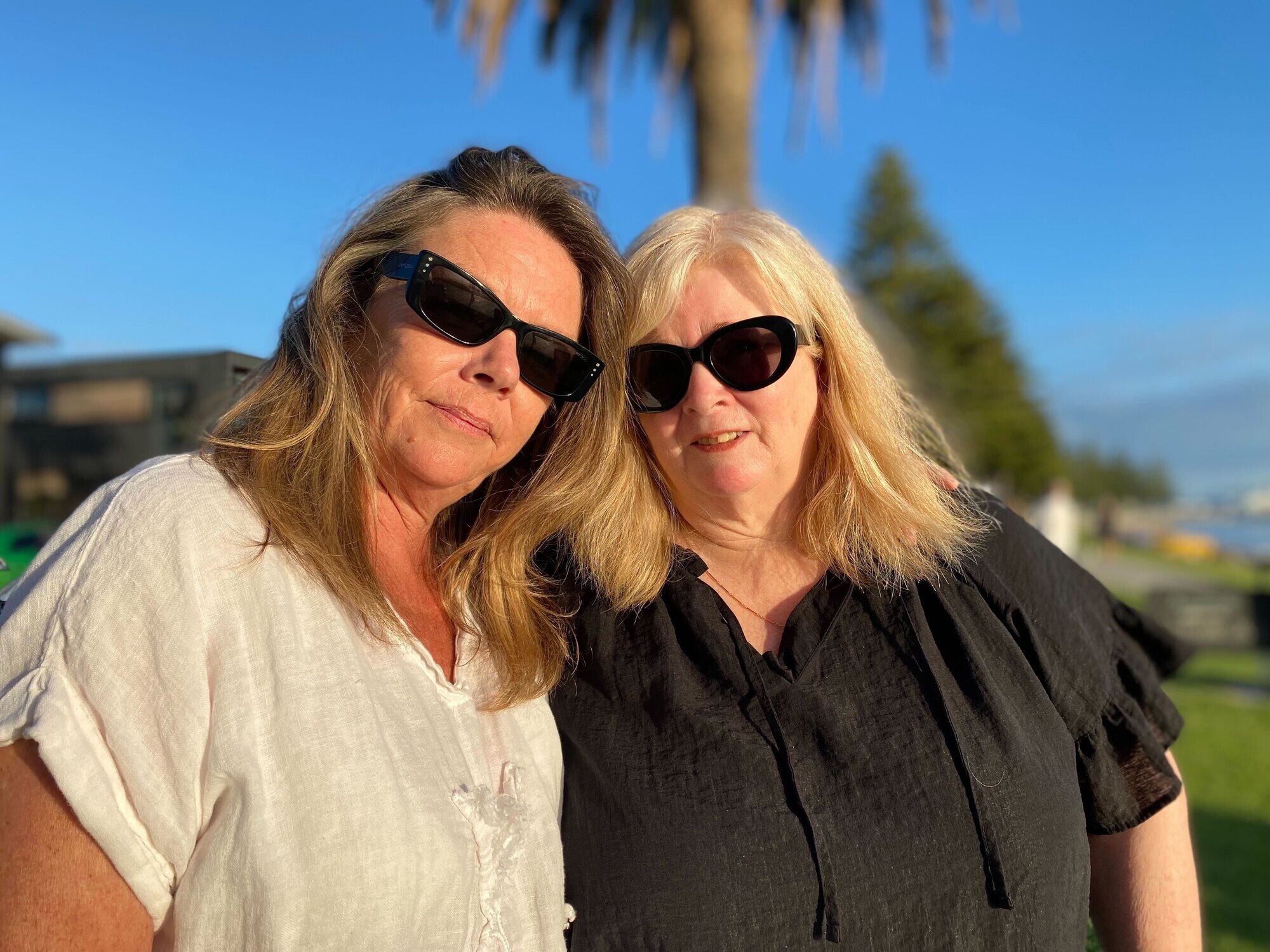
Jenni and Joy in Pilot Bay. Photo / Rosalie Liddle Crawford
“My heart just goes out to all the relatives,” Joy said. “I cannot even imagine what they’re going through at the moment, and I just feel so, so sad for them.”
John Drummond, a Pilot Bay resident, said the loss extended beyond the human toll.
“Knowing what’s going to happen to the Mount, the walking track, the hot pools, and the campground — it’s going to be devastating for local businesses and for everyone who walks there. The atmosphere has changed. There’s hardly anybody here now.
“Hopefully, they’ll find a way to restore the hot pools. I don’t know if they’ll ever be able to reopen the campground. A lot of people have fond memories of it. I camped there with my kids when they were younger.”
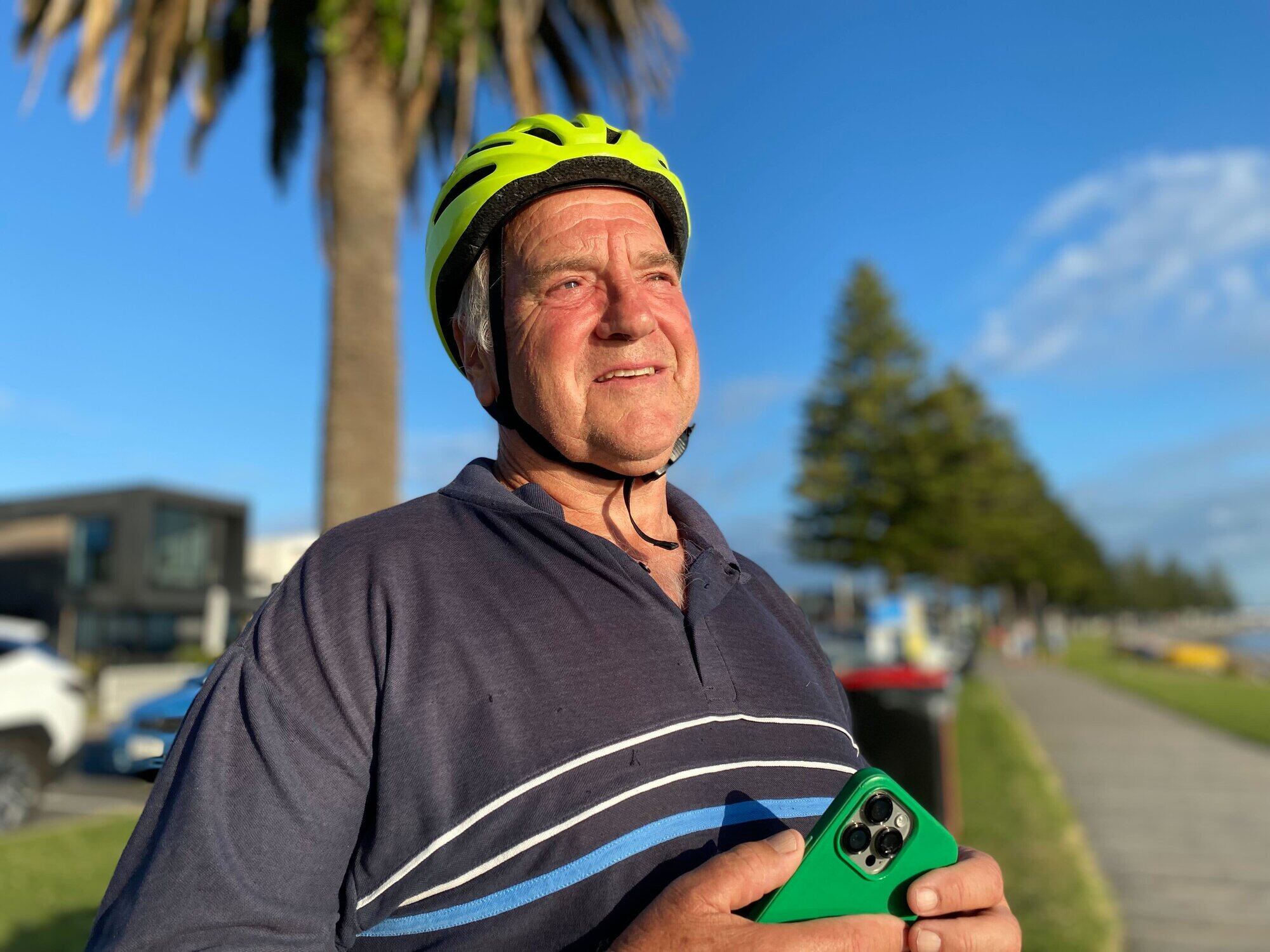
John Drummond. Photo/ Rosalie Liddle Crawford
At the flower memorial in The Mall, Maree said the grief reached far beyond the Bay.
“We’re part of this community. People overseas watch this and are in awe of what we’re doing here, laying flowers. They say, ‘That’s what makes you Kiwis.’ There’s great sorrow. The mountain is quiet for a little while, which is sad.”
Even emergency response personnel found ways to process their grief.
One Fire and Emergency NZ team member, sitting near the piano, reflected: “This is also a time for me to grieve for the loss of loved ones and for families going through really tough times.”
Harry Carpenter, who arrived in New Zealand about two months ago from Cornwall in England, said the landslide struck just days after he reached Tauranga.
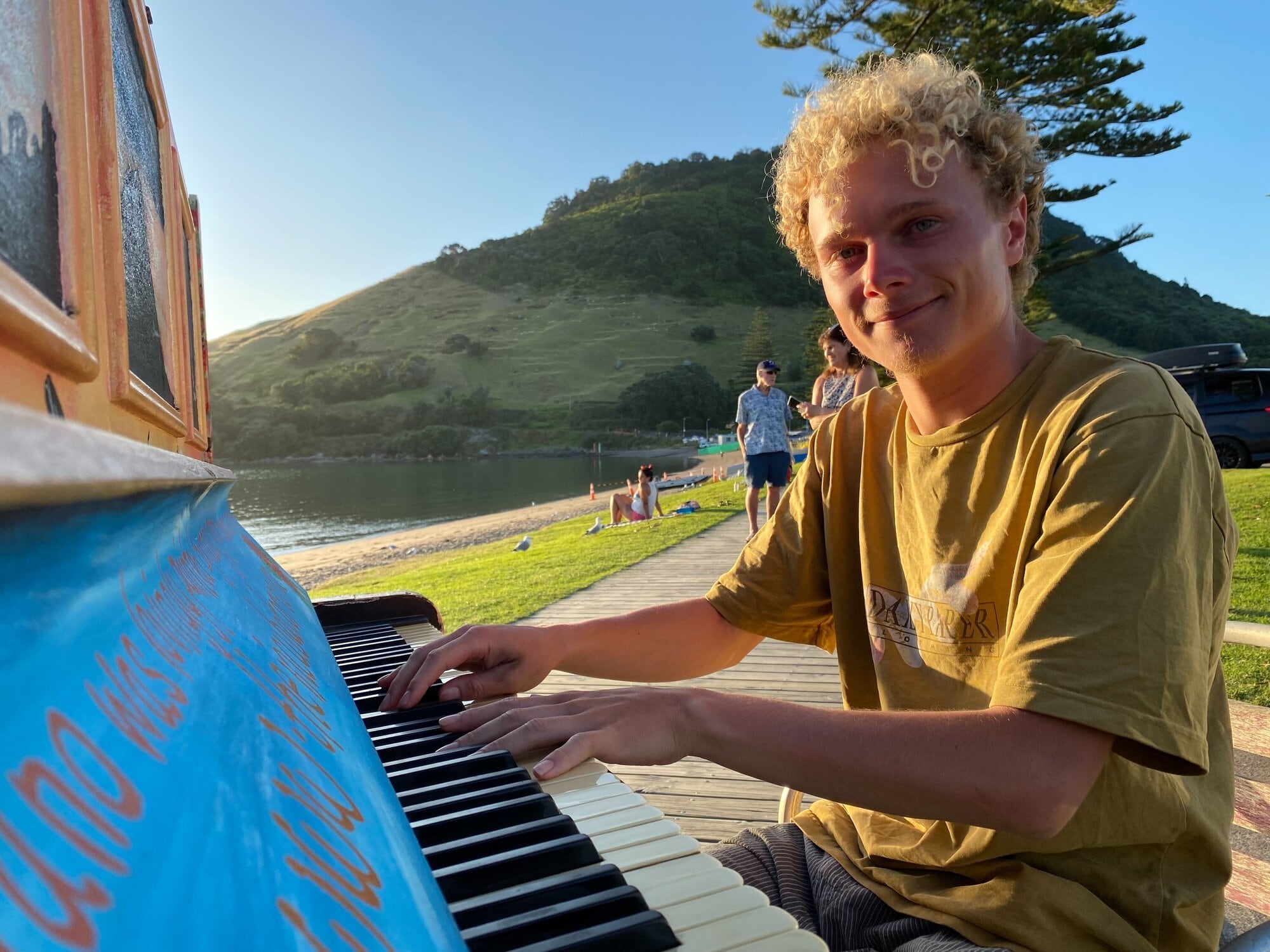
Harry Carpenter playing the Mount Maunganui beach piano in Pilot Bay. Photo / Rosalie Liddle Crawford
“I was on a coach ride from Napier when all the emergency alerts started going off. It was mad – almost like something out of a film.
“Coming from Cornwall, where the weather is usually quite stable, having all the alerts and sirens go off definitely catches you off guard.
“It was about my second day here when the landslide happened. It was devastating. You’d turn on the TV, and it was all over the news – hearing about the families.
“To think you come to this place as a lovely holiday destination and in one moment you could lose your life – it’s a horrid thing. You’d hope it would never happen to anyone.
“It’s definitely taken a toll on people around here. It’s absolutely horrid.”
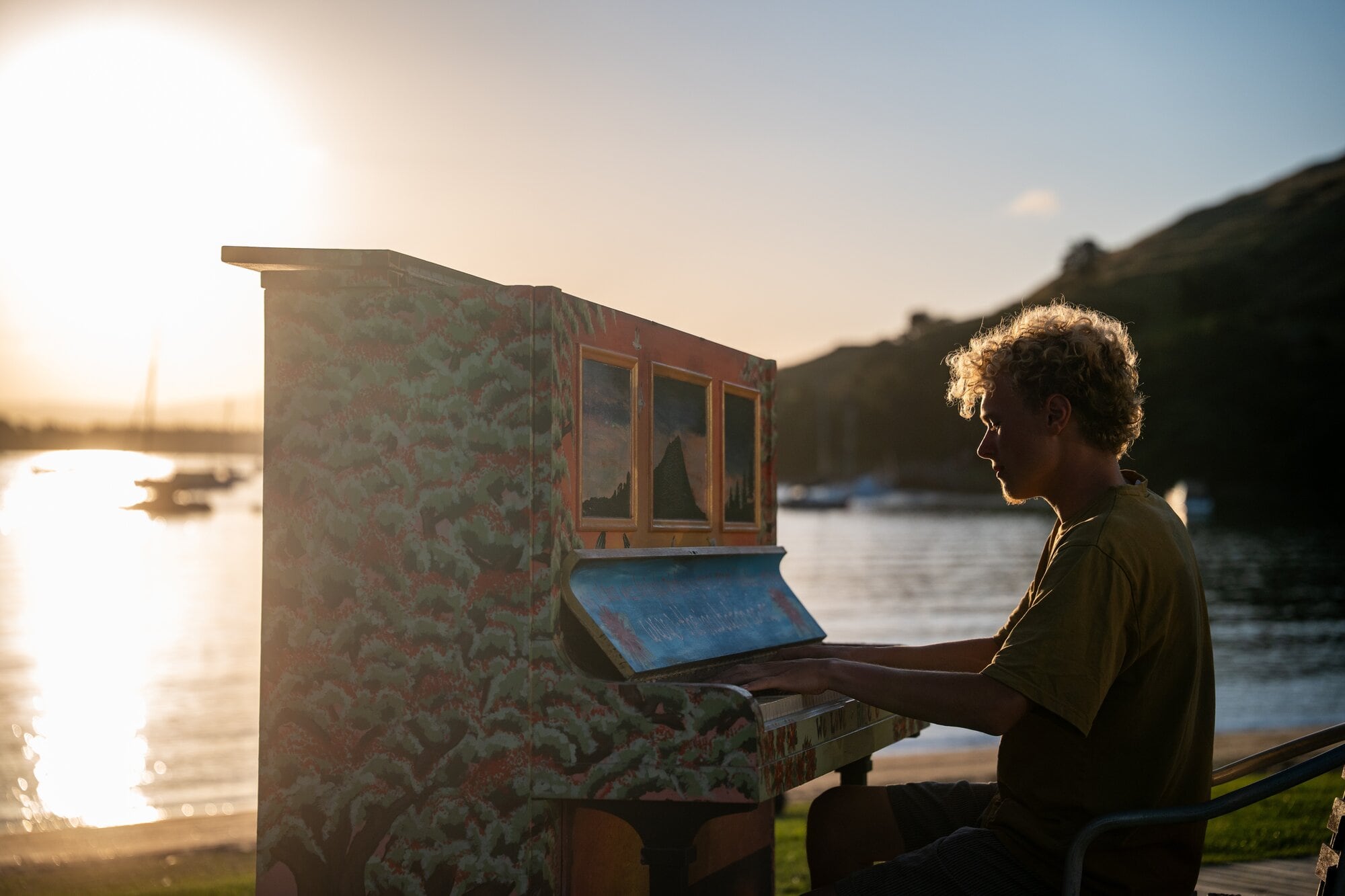
Harry Carpenter playing the Mount Maunganui beach piano in Pilot Bay. Photo / Corey Fleming
Carpenter said that had he not already sorted accommodation, he would have stayed at the Mount holiday park.
“It’s crazy to think one little decision can be the difference between life and death. It reminds you to take each day as it comes and try to enjoy it as much as possible, because unexpected things can happen.”
Carpenter, who works as a surf instructor at Average Joe’s Surf Coach, plans to leave New Zealand in about five months.
“I go back for work in the summer and then come back after the summer season to avoid the Cornish winters – it’s pretty bleak over there.
“At the surf school, I met lots of lovely people. One thing I’ve noticed here is how inviting and friendly people are. So many people have invited me into their homes – it’s been really nice.”
Another resident, Julie Walters, is also feeling immensely sad.
“I just can’t believe it’s happened. I feel for the families – I can’t imagine what they’re going through. And we’ve lost the Mount – we’ve always had that to go around. Walking around the Mount every weekend made you feel better. But for the people, it’s just awful what’s happened to the families.”
Alex Mitcham and her friends are visiting from near Toronto, Ontario, Canada, arriving a few days after the landslides.
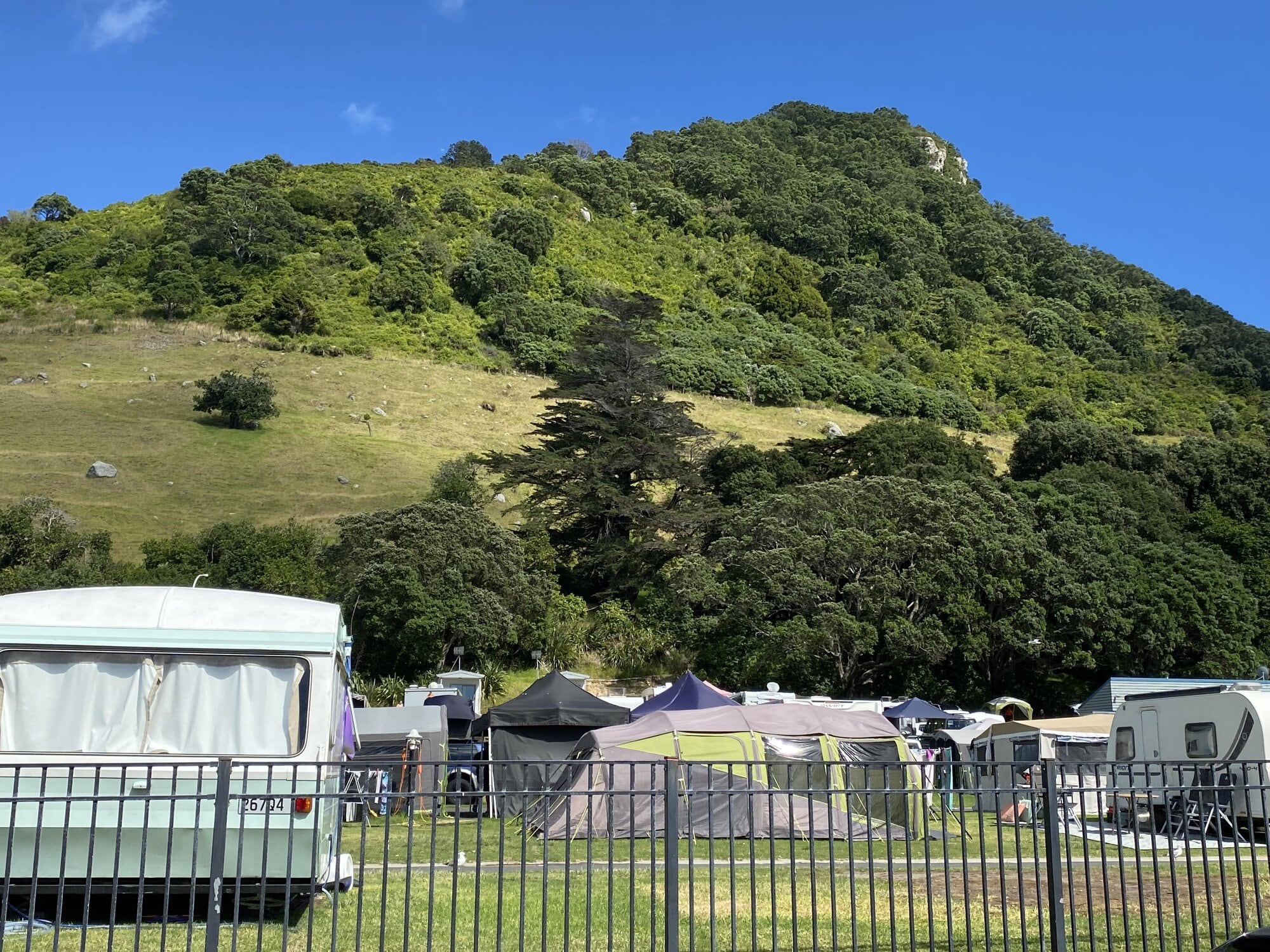
Mount Maunganui Beachside Holiday Park on January 8. Photo / Rosalie Liddle Crawford
“We arrived here Sunday morning,” Mitcham said. “We had heard the news from friends we were visiting right before.
“It’s so horrific and sad to think about the families and community who have lost loved ones.
“As visitors and tourists, we want to respect people’s time and space in the face of something so tragic and unexpected. We didn’t want to be intrusive or bothersome. We’ve just been so touched by how welcoming everyone has been in spite of this.
“To see people rallying around one another in such a challenging time is really special. It’s made our time here memorable, and we feel lucky to be here. We’re thinking of everyone in what we know is a really hard time,” Mitcham said.
“We’re here for another 10 days in New Zealand. We’ll spend another day in the Mount and then travel to the South Island on Saturday.”
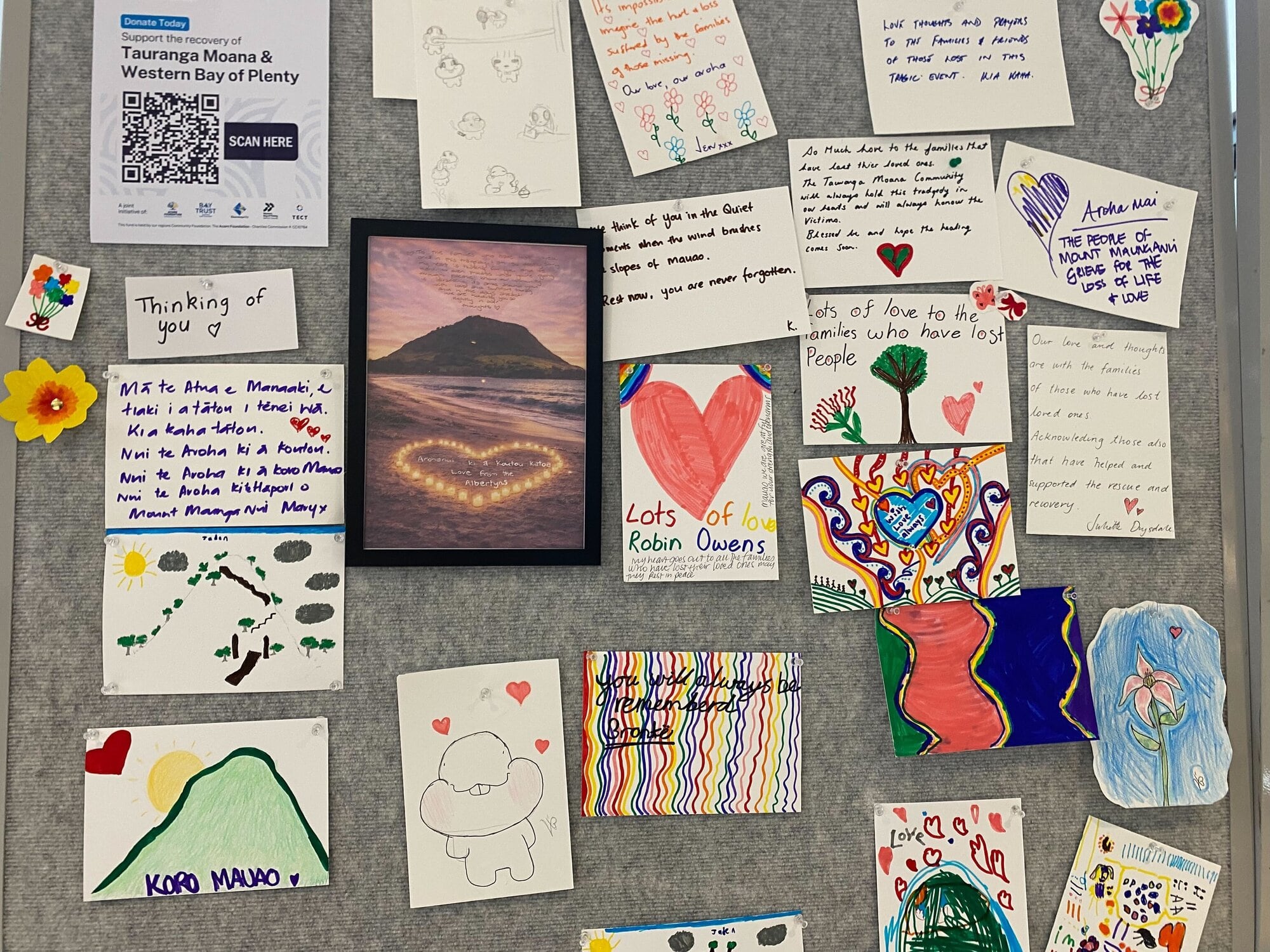
Artwork on the walls of He Maimai Aroha at 249 Maunganui Rd. Photo / Rosalie Liddle Crawford
Gabby Ghanem, travelling with Mitcham, shared her experiences with locals.
“Everyone has been impacted by it. Every single person we’ve spoken to has brought it up right away and acknowledged it, but also been so welcoming in spite of how awful it is. It’s been really nice.
“You read about New Zealanders’ connection with nature, but I don’t think I really got it until we were here. We’ve found things to do. It’s definitely felt quieter and more sombre, but everyone is still so welcoming.”
One local business owner, who asked not to be named, said deciding whether to reopen had been difficult.
“I wasn’t sure about opening – whether it was disrespectful or not. We’re all really sad. And until they find everybody, we’re not going to even start to feel a little bit better.”
A usual early morning ritual for many locals is to walk up or around Mauao before dawn and then head to a local cafe for a chat with friends.
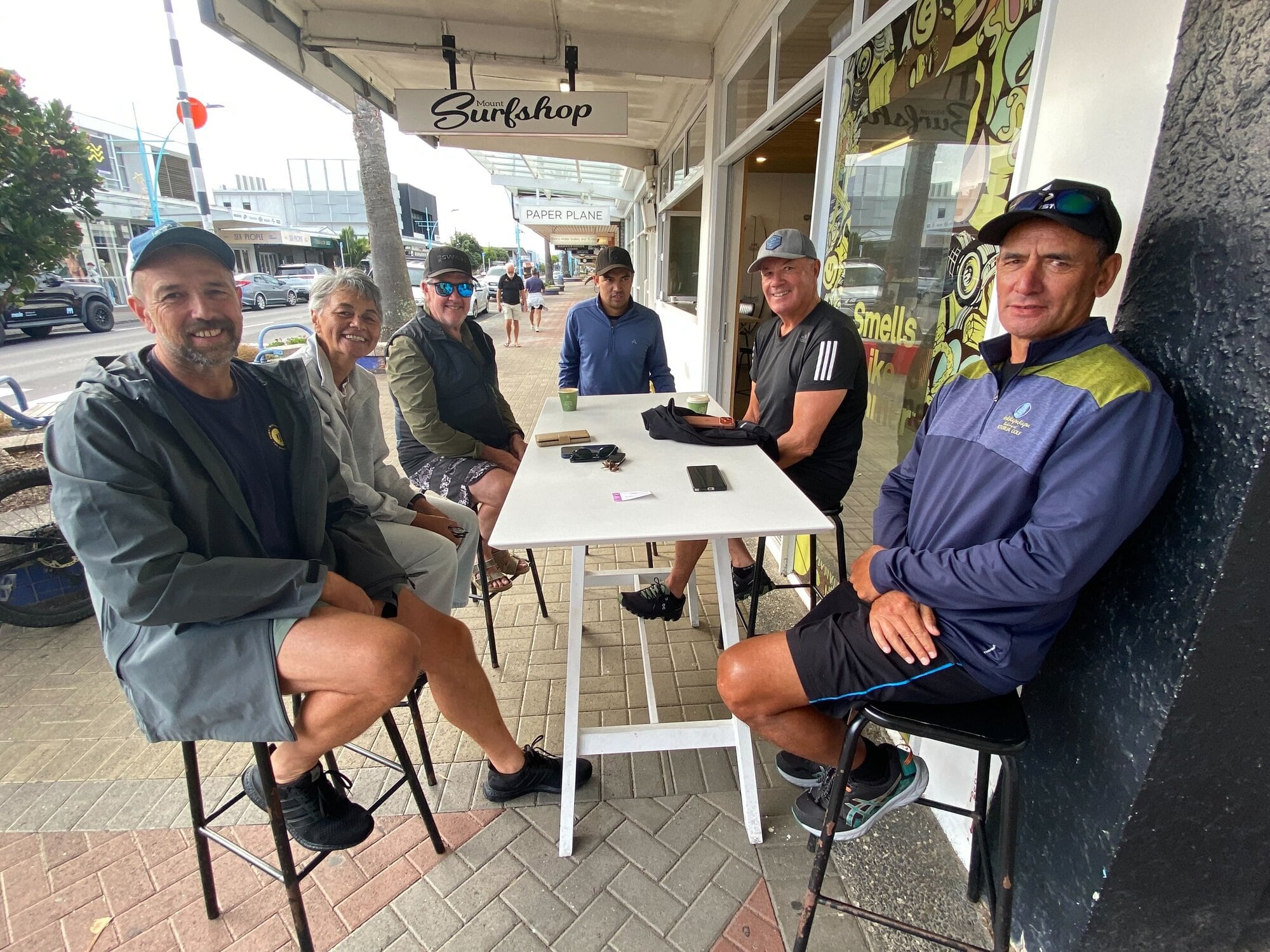
Sean’s Mob’ meeting for coffee at the Mount Surfshop on Monday morning. Photo / Rosalie Liddle Crawford
On Mount mainstreet, the Mount Surfshop opens early with locals meeting there for coffee from about 6am.
“Sometimes we walk around the Mount and then come here for coffee,” Doug Adsett said.
“It’s a very sombre time, a very different feel to the Mount at this time of year.”
At the He Maimai Aroha Community Care Centre, on Maunganui Rd, volunteers and visitors have been coming together daily to support one another.
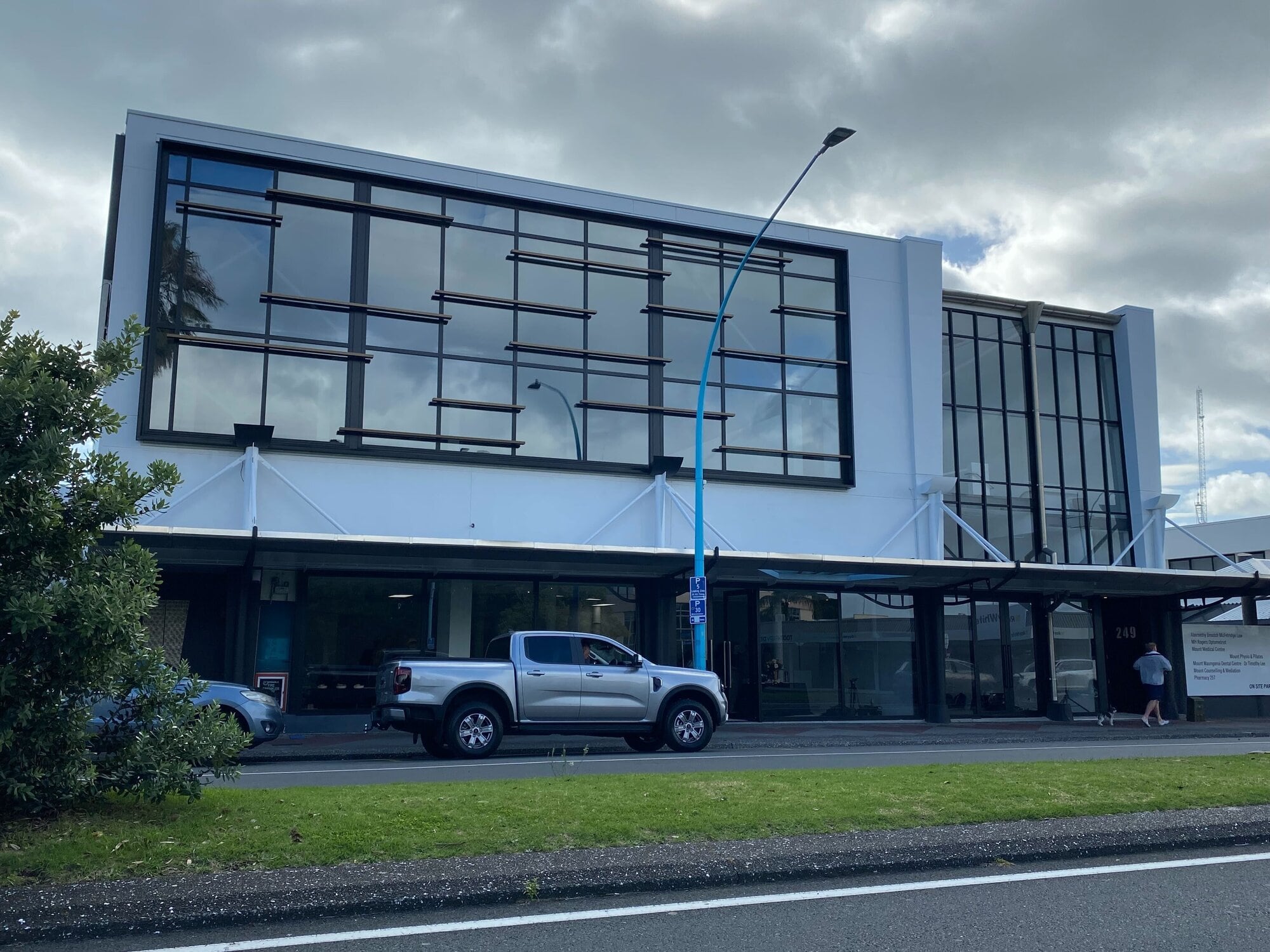
Volunteers and visitors have been gathering daily at He Maimai Aroha on Maunganui Rd. Photo / Rosalie Liddle Crawford
Angela Wallace, from SociaLink Volunteering Services, said the organisation stepped in to support the community with volunteer help at the centre, which is open from 9am to 9pm, seven days a week, until further notice.
“We’re inviting people who want to support the centre to sign up to our volunteer platform, choose shifts, come in, support the people and the space, keep things tidy, and offer cups of tea and coffee,” Wallace said.
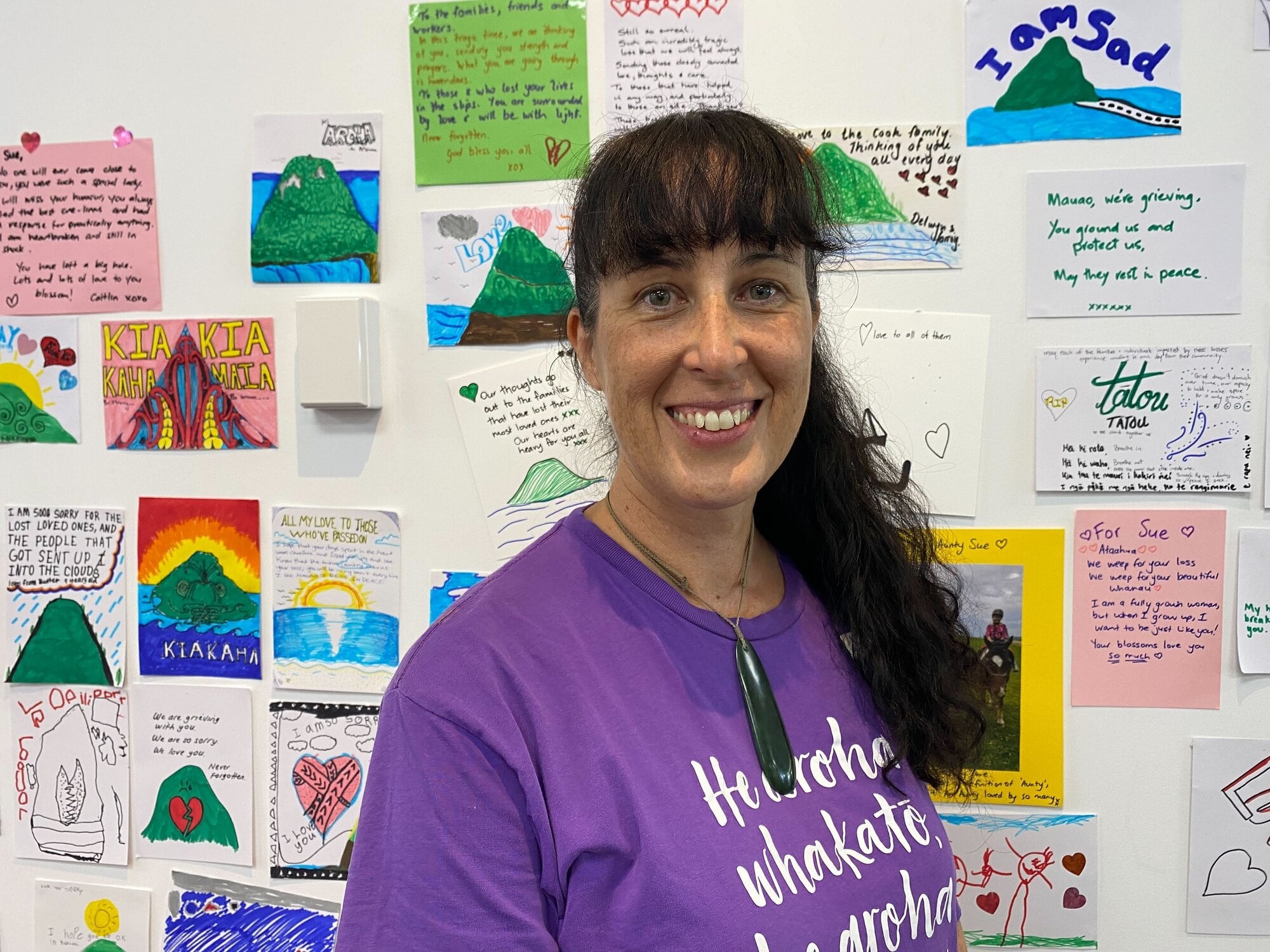
SociaLink Volunteering Services – Western Bay of Plenty manager Angela Wallace. Photo / Rosalie Liddle Crawford
“Volunteers can help us create a beautiful, welcoming space for people to come, share their thoughts, and create artwork to go on the walls to commemorate the victims and their families.”
Iwi spokeswoman Ange Webster, representing Ngāi Tūkairangi hapū and Ngāi Te Rangi iwi, said the centre formed organically as people recognised what was needed.
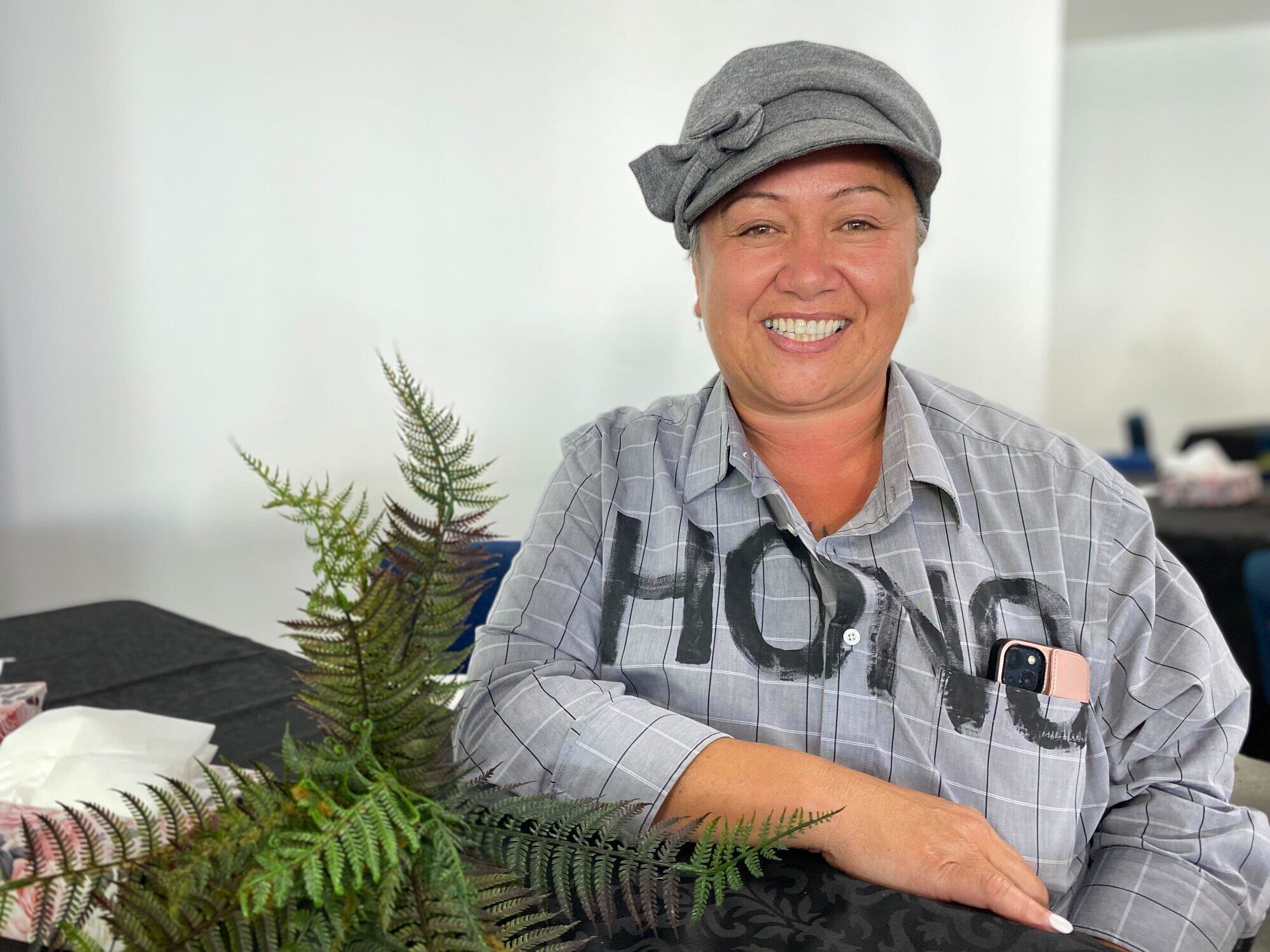
Ngāi Tūkairangi hapū and Ngāi Te Rangi iwi spokeswoman Ange Webster at the He Maimai Aroha Community Care Centre. Photo / Rosalie Liddle Crawford
“Collectively, people just knew this was needed,” Webster said.
“For Māori, coming together openly is a natural part of how we grieve. We laugh, we cry, we share the burden, and we help each other process what’s happened.”
Webster, also deputy chair of Ngāi Te Rangi Iwi, said karakia held morning and evening at the slip site had been deeply appreciated.
“The intention of karakia is to bring peace and comfort,” she said. “Right now, the most important things are care, compassion and love.”
For the past week, Kalena Egan (Ngāti Pūkenga, Ngāi Te Rangi, Ngāti Ranginui) has been bringing flax into the centre each day, setting up a table where visitors can weave putiputi flowers, bracelets and crosses.
“I bring the flax from my place. I have some weavers coming for a couple of days each,” Egan said.
“The feedback has been beautiful – they’re connecting with locals, connecting with harakeke – flax, and creating, which is really healing for them. Manaakitanga, whanaungatanga and coming together as a community.
“I personally felt really helpless, not being able to do anything, but this is a brilliant way I can help.”
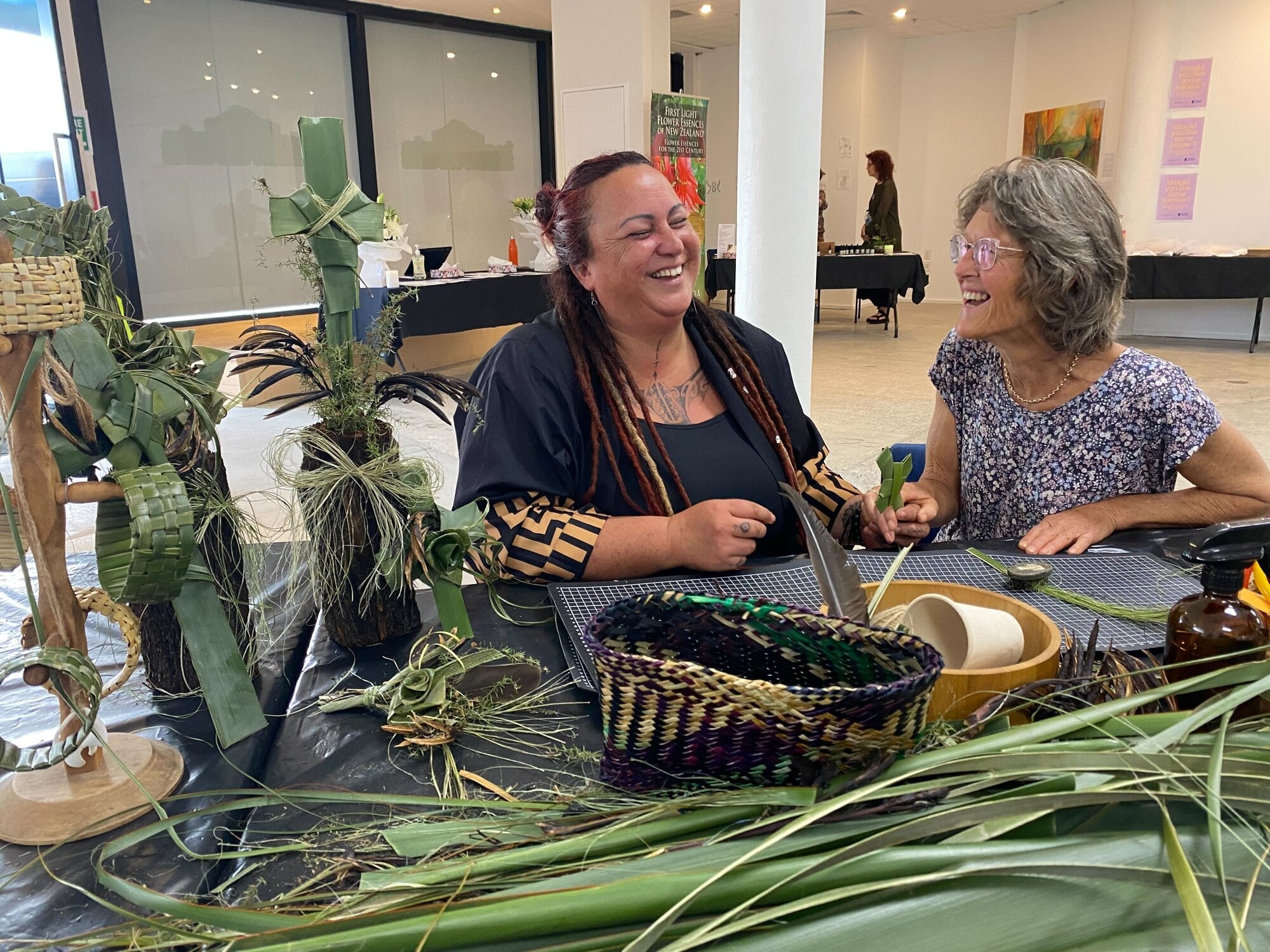
Kalena Egan and Linda Carpenter enjoying a moment while weaving flax at He Maimai Aroha. Photo / Rosalie Liddle Crawford
Beside her, Linda Carpenter found the experience to be grounding.
“Doing flax weaving makes me feel connected and at home,” she said.
Rebecca Donald said the centre had given her space to process the weight of the loss.
“It’s really heavy in my chest. When I came in and looked at all these beautiful images from the children and the words, it was overwhelming,” she said.
“There’s a deep sorrow for the lives lost, but also for the mountain itself and all the joy it provides – for people who go there every day to exercise, spend time in nature, and just breathe and process life.
“Mauao is a healing place. It’s a compass and a magnet for a lot of people. People talk about it being an anchor – and it’s a massive part of our lives.”
Donald said the loss would be felt particularly strongly among the sporting community.
“There are people who run up and down and around the Mount every day. I’ve been one of those people in running groups in the past.
“For the people who’ve been tragically taken, I just can’t even imagine. It affects everyone – it’s massive.
“I came down to the community centre because I just felt like I needed to connect, see what was happening, and talk about and process emotions.”
Sarah Spence, volunteering at the centre, said flower essences were being offered to support people in crisis.
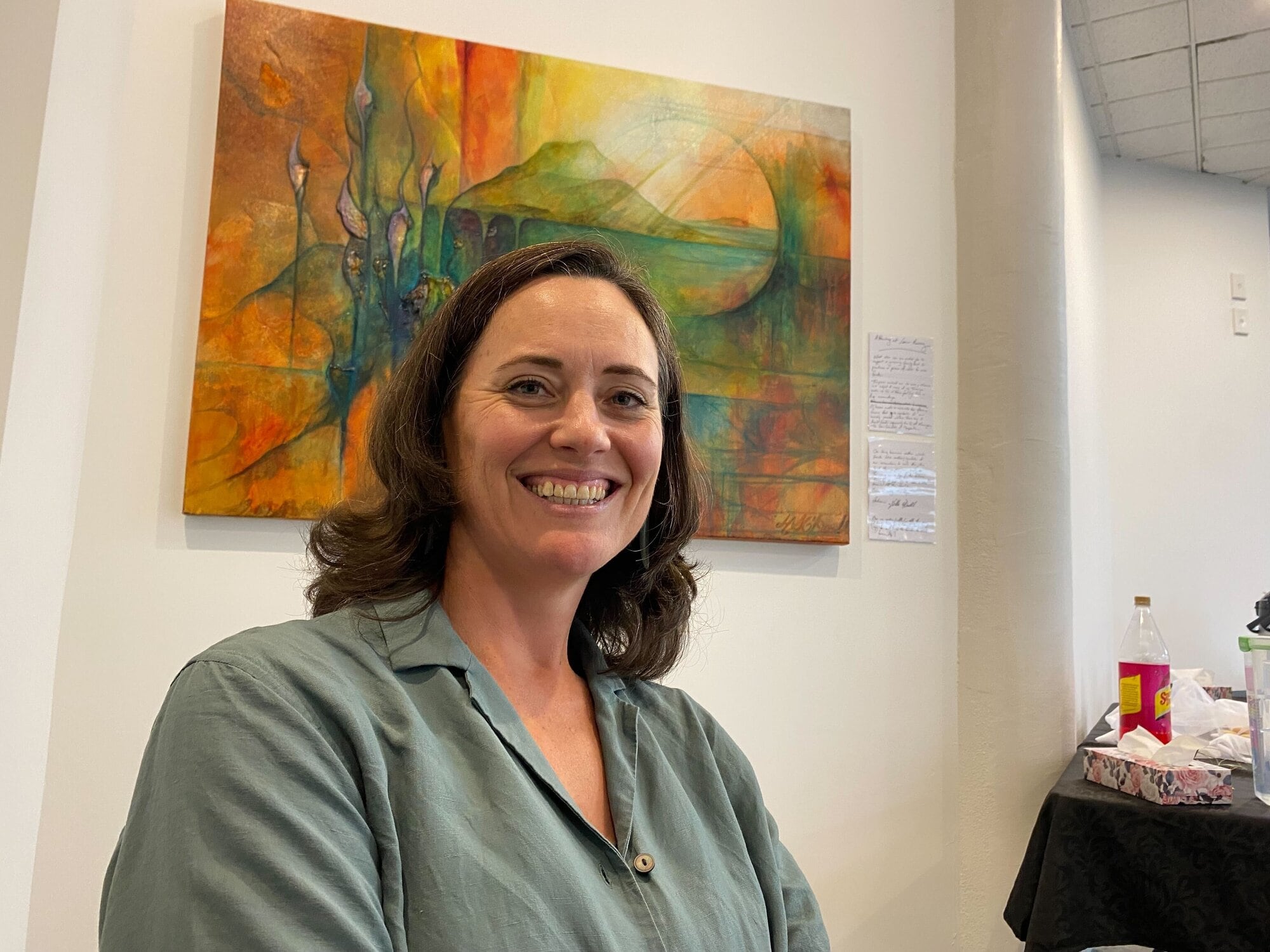
Sarah Spence at a table of flower essences which are being offered to support people in crisis. Photo / Rosalie Liddle Crawford
“We’re offering crisis support essences that can be taken to help deal with emergency situations and the emotions that arise with them,” she said.
“I feel a collective grief that’s permeating the atmosphere at a community level. We’ve lost people, we’ve lost houses, and many people have also lost their maunga – their place for space, sanity and exercise.
“There’s a lot of people who will be missing that, on top of the tragedy of the lives lost.”
Ngāwaka Salā Setiu (Ngāi Te Rangi) visited the centre with his 10-year-old son, Zion. Setiu previously lived in Pāpāmoa and taught at Mount Maunganui College and Tauranga Boys’ College, but now lives in Auckland.
“We’ve come to pay tribute to those who have passed on,” Setiu said.
“We’re feeling grateful to be alive and well, but also immensely shocked and saddened for those who’ve lost their lives, and for the whānau whānui – the extended families surrounding the deceased.
“I’m also feeling a sense of kotahitanga – unity and collective strength – that the communities of Mount Maunganui and Tauranga Moana have come together. It wasn’t Government-driven, but from people’s hearts, they’re able to show their condolences and their grief.”
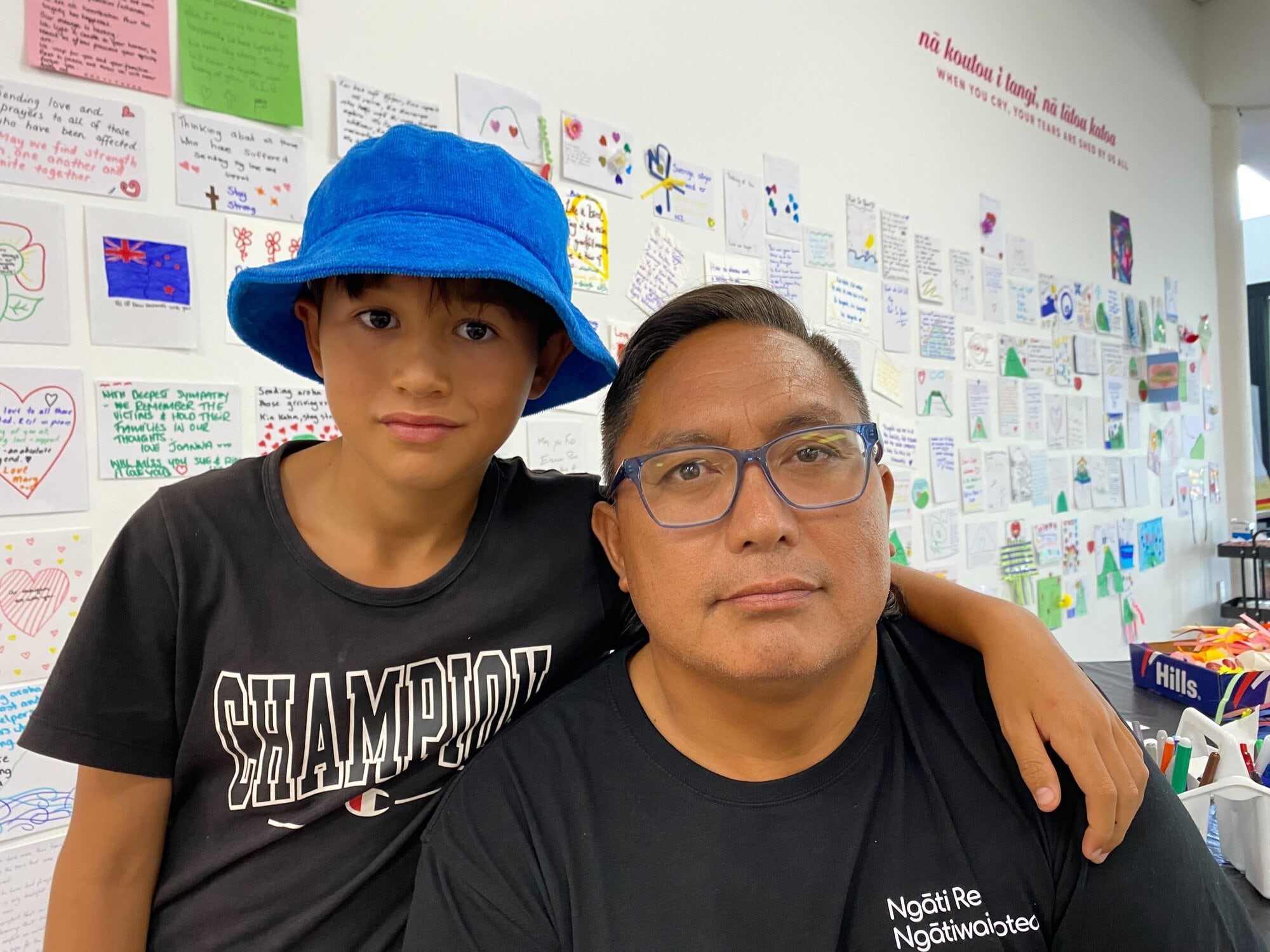
Ngāwaka Salā Setiu with his 10-year-old son, Zion at He Maimai Aroha. Photo / Rosalie Liddle Crawford
Setiu said the tragedy was also a moment to reflect on humanity’s relationship with the environment.
“For my son, I want him to be brave and not be afraid of death or life, but also to know, as kaitiaki, we need to pay better attention to our environment – our oceans, our mountains, our land – beyond economic imperatives.
“And we need to be humble enough to learn the lessons, whatever they are, without judgment or accusation. Make the time to grieve first. Care for the living.”
Steffi August, who has lived near Bayfair for about 30 years, said she usually walked up Mauao three times a week. For days after the landslide, she said she “couldn’t think properly”.
“The next day, I walked on the beach and could feel the heaviness in the air. Something is missing,” she said.
“The Mount is magic for us, and now it’s not there in the same way.
“When I walked past people on the beach, we’d just look at each other and automatically give each other a hug – people I’d never spoken to before.
“I think we’re the best community you could wish for. The support for each other is mind-blowing. But what the families are going through – nobody can imagine.”
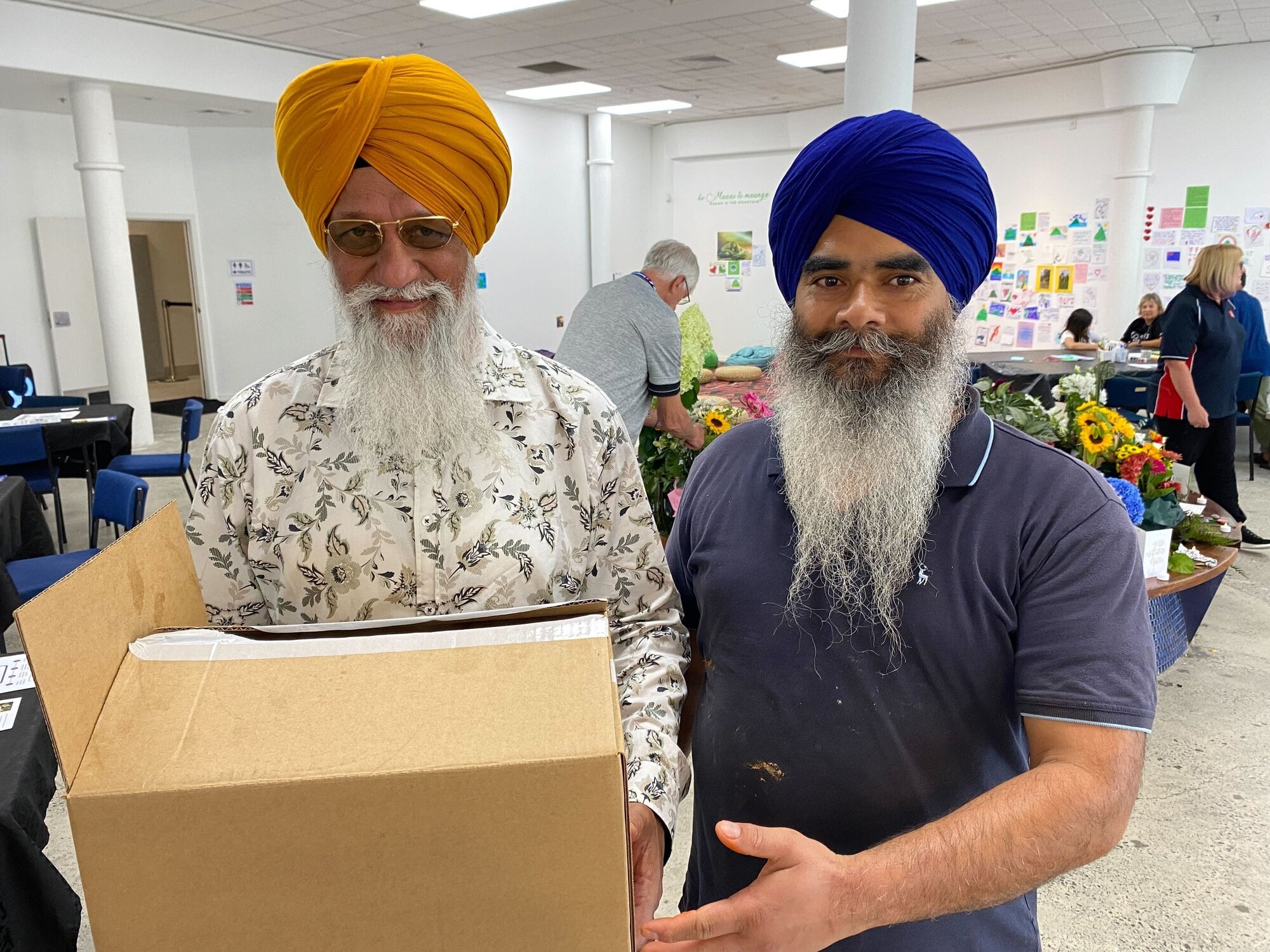
Puran Singh and Jagjeet Singh delivering food to volunteers at He Maimai Aroha Community Care Centre. Photo /Rosalie Liddle Crawford
During the week, Puran Singh and Jagjeet Singh delivered food to volunteers from the Sikh community of Tauranga.
“The Sikh community is in shock and feeling sad,” Puran Singh said.
“This is a very bad thing that’s happened. We pray that those we lost rest in peace and that their families are given strength during this difficult time.
“We are a small community in Tauranga, but we are together as New Zealanders, and we help each other.”
A volunteer at the centre spoke of meeting a couple from England who were “deeply upset” by the landslide.
“They first visited Mount Maunganui 22 years ago and fell in love with the Mount. They’ve returned year after year since.
“They spoke about ‘their’ mountain, ‘their’ maunga – like a family member. They felt a deep, deep sadness at what had happened.”
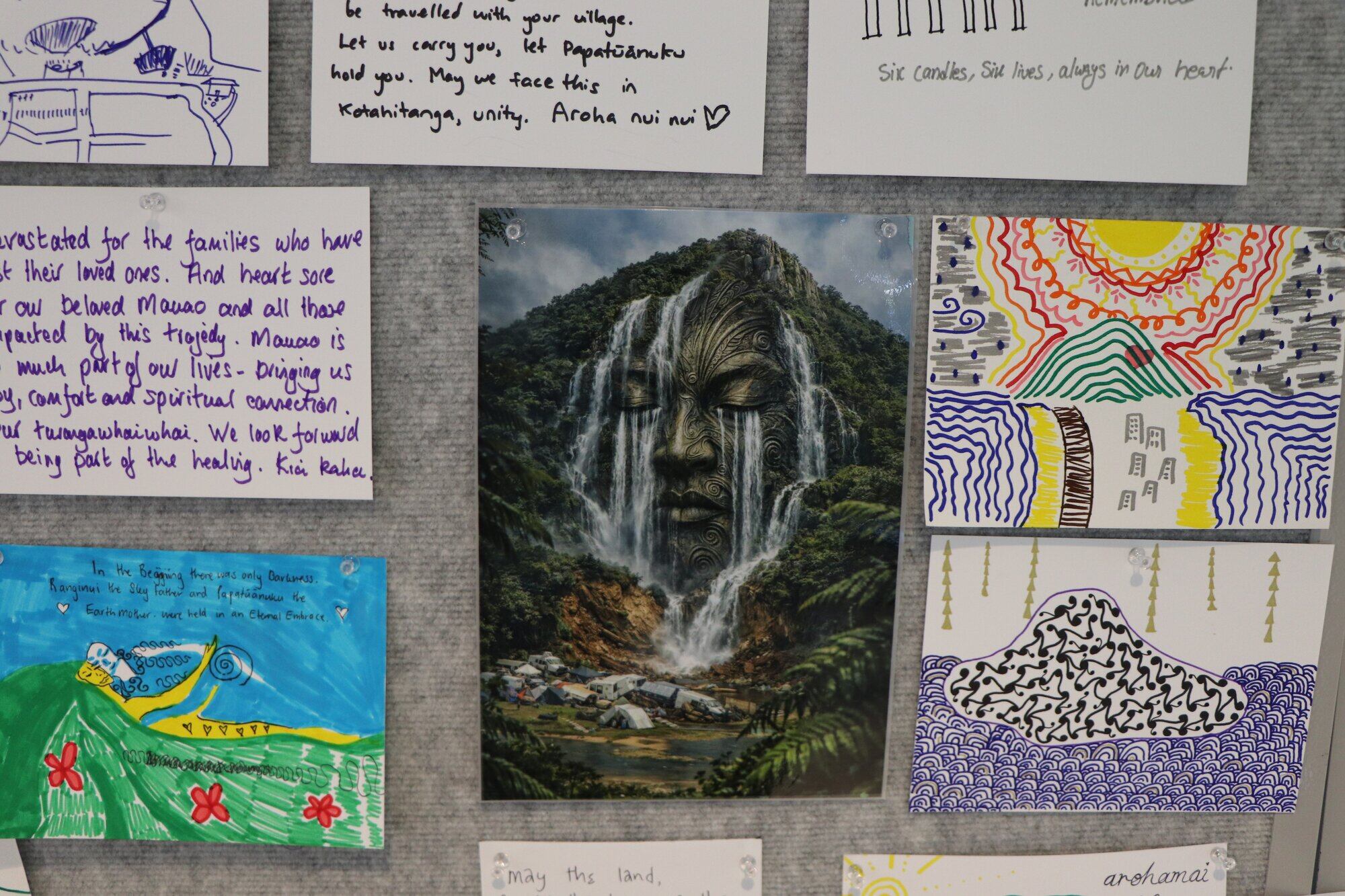
Artwork from the community is displayed on the walls at the He Maimai Aroha Community Care Centre at Mount Maunganui. Photo / Ayla Yeoman
Tony Crawford, a pastor at Curate Church in Mount Maunganui for the past 10 years, said the tragedy had cut deeply.
“I was born and raised at the Mount and have a lot of connection to that mountain,” Crawford said.
“When nature strikes, and tragedy hits, and you’re connected to that community, the wounds can run deeper than you can express.
“There’s shock, sadness, and ‘why?’, but also being blown away by the resilience and unity of the community.”
Crawford said the church had taken time during Sunday services to pray for families, those affected, and local businesses.
“We’re always open to everyone. There’s been a real sense of care.”
One Mount Maunganui resident said he and his wife had narrowly avoided staying at the holiday park.
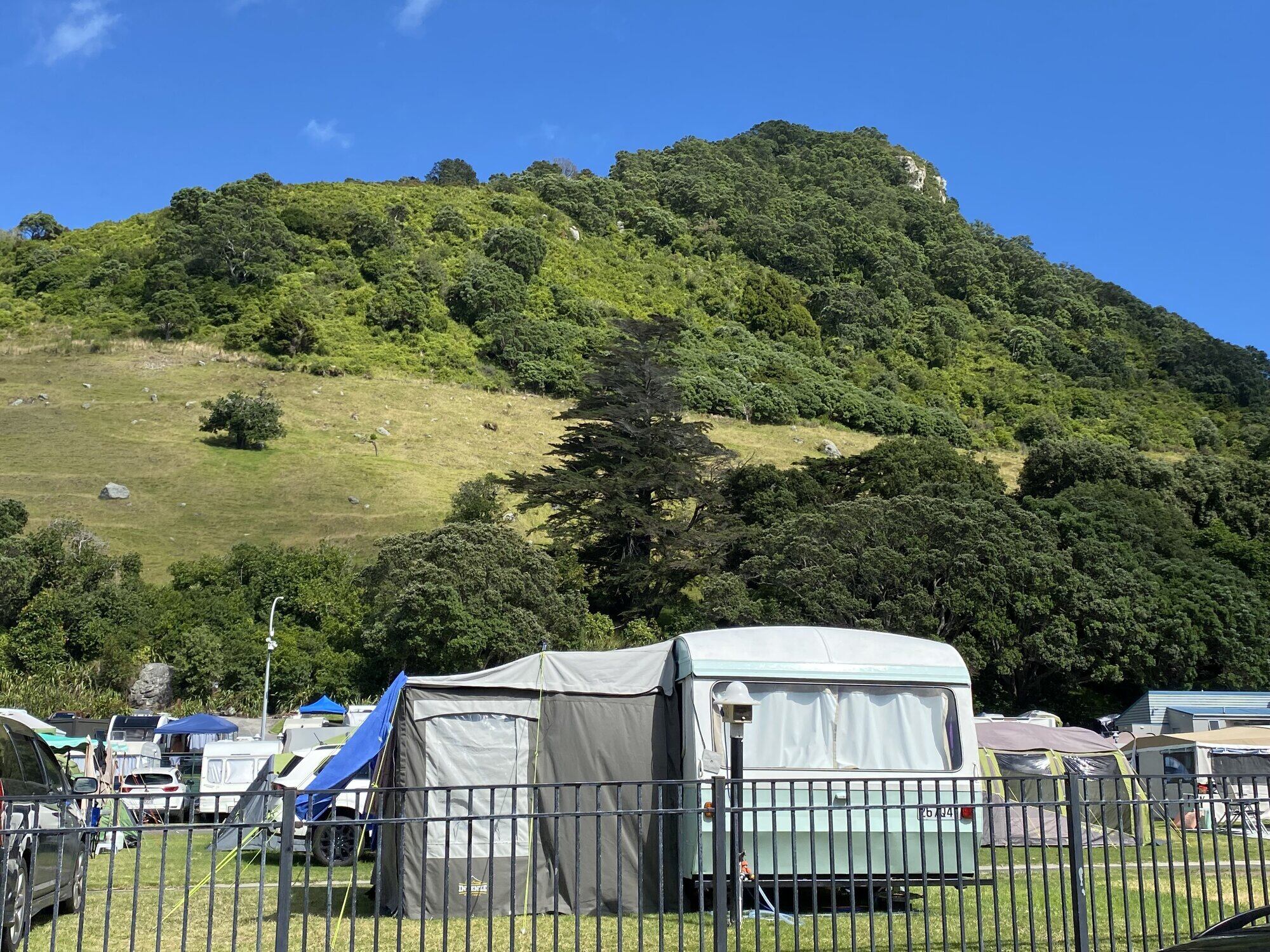
Mount Maunganui Beachside Holiday Park on January 8. Photo / Rosalie Liddle Crawford
“We normally rent our house out every summer and stay at the Mount Maunganui Beachside Holiday Park. We were booked into a cabin next to the slip.
“But my wife decided we’d renovate instead. She cancelled the booking just days before.
“She sent me a photo and said, ‘This is right next to where we were meant to be.’ I said, ‘Whoa — that is crazy.’ We were very lucky.”
On Thursday evening, 20 student leaders from Mount Maunganui College visited the community centre before attending the vigil at Coronation Park.
“I think it’s a tragedy. No one was expecting it,” Year 13 student Diega Farias said.
“I’ve lived here for 10 years and never thought something like this could happen. It’s come out of nowhere, and it’s a tragedy in our community.
“I’m really glad to see the community coming together to help people who’ve been through so much.”
Fletcher Cameron, also a Year 13 student and the school’s 2026 head student, said the loss felt surreal.
“You hear about things like this happening overseas, and to have it happen in your own backyard is hard to process.
“I can’t imagine what the families are going through. It’s a tragic loss for everyone. We came to the vigil to support the families, represent the school and try and help others. They’re the ones affected the most.”
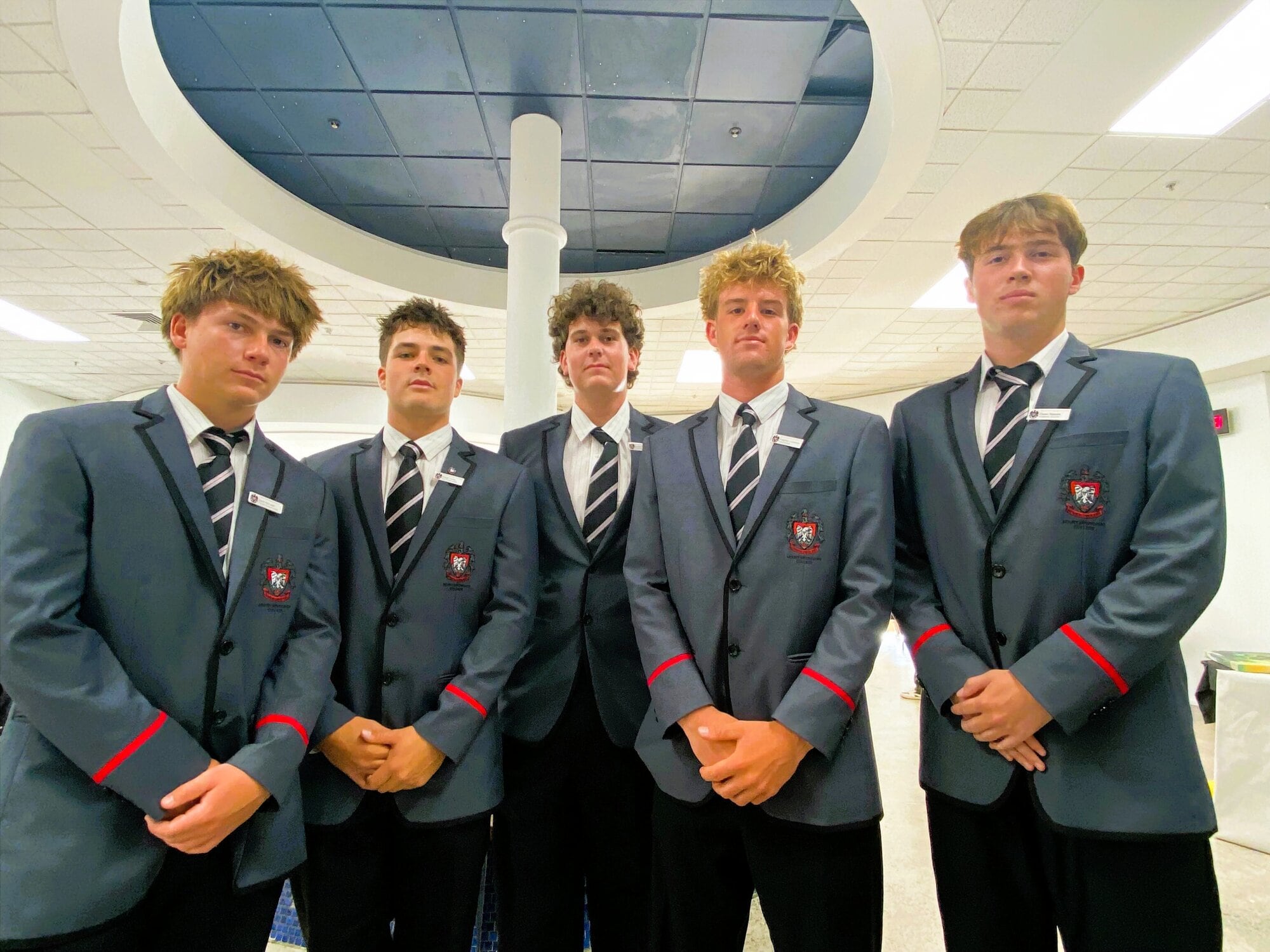
Six of the Mount Maunganui College student leaders: Zach McLean, Diego Farias, Jimmy Marshall, Fletcher Cameron, and Owen Reaves. Photo / Rosalie Liddle Crawford
Year 13 student Zach McLean said the scale of the rainfall had taken him by surprise.
“It came out of nowhere. I didn’t think the rain was that bad at the start. Three months’ worth in a couple of days – it’s really sad. My heart goes out to the families. It’s not something you expect when people are just on holiday at the campground.”
Through vigils, weaving, volunteering, and quiet reflection, the Mount Maunganui community is finding ways to grieve, support one another, and honour the mountain that has long been central to life here.
Mauao is more than a peak; it is a compass, an anchor, and a gathering point. The landslides have taken lives, disrupted routines, and changed the landscape – yet the community response is a testament to human resilience, collective care, and the profound connection between people and place.
In the quiet moments on the beach, at the piano, in the community centre, in a business, and along the boardwalks of Mount Maunganui, grief and hope co-exist.
Families, locals, tourists, recovery teams and volunteers are bound by shared sorrow and compassion. Amid loss, the heart of the community beats strong – in solidarity, in remembrance, and in a commitment to care for both one another and the maunga they hold dear.

0 comments
Leave a Comment
You must be logged in to make a comment.