


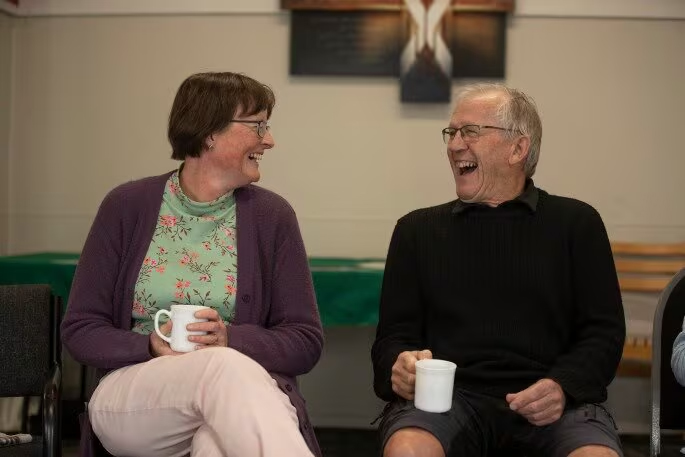

Katharine Milford does not measure the success of her work in speech and language therapy through numbers; her most important goal is that the people she supports say: “That’s been really helpful, I feel so much better.”
She has been made a member of the New Zealand Order of Merit for her service to people with aphasia.
Milford was hailed as the single driving force behind the creation, development and governance of Aphasia New Zealand (AphasiaNZ) Charitable Trust.
She described aphasia as language loss caused by damage to the language areas of the brain in any form, including speaking, understanding, conversation, reading, writing, or sign language.
Aphasia was acquired after a stroke, brain injury, brain tumour, or degenerative brain disease called primary progressive aphasia.
Milford was working as a speech and language therapist for the district health board in Auckland when AphasiaNZ began to take shape.
Following a conference for people with aphasia, she and a group of therapists felt an organisation dedicated to aphasia was needed.
Milford put her hand up in 2007 and said “I’ll help you draw something up”.
AphasiaNZ began as an incorporated society, then became a charitable trust in 2012.
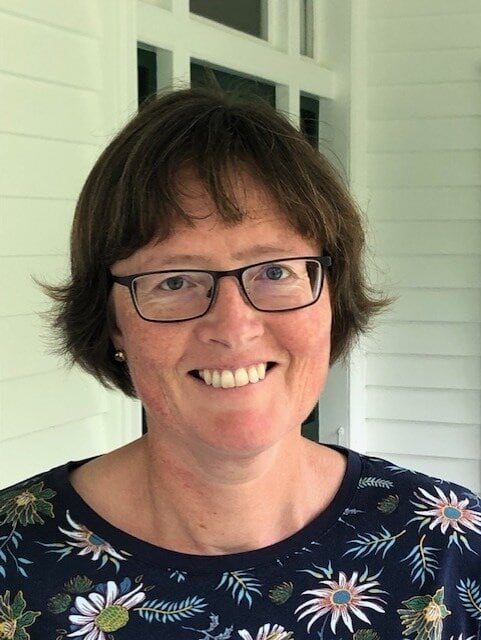
Katharine Milford has been made a member of the New Zealand Order of Merit for her services to aphasia. Photo / Supplied
“I particularly like working with aphasia because we’re not fixing people. We’re not expected to fix people.
“We’re just focusing on helping people be okay with aphasia and live a good life with it, feel confident, and have strategies to get out there in the community and know how to cope when something goes wrong.”
The trust’s services included community aphasia advisers, groups for people with aphasia, a handbook, information booklets and aphasia wallet cards, iPad therapy support, a library of books available to loan, a website, and a free phone number 0508 274-274.
“We’re supporting the people who have aphasia, and we’re also supporting their families and friends.”
Milford said she experienced a huge amount of satisfaction from her work, and that was why she did it.
“I get a real buzz from it. It’s hard work but rewarding.”
So Milford was “really thrilled” to learn of her appointment to the New Zealand Order of Merit.
The first person she would tell when the news was made public was her mother, who would be “really pleased”.
She said there were 30,000 people in New Zealand with aphasia, and some of them would not know it because a lack of knowledge, time, and staffing all contribute to a lack of public awareness.
She visited a patient with aphasia the day before speaking with NZME and asked him if anyone had talked to him about what type of aphasia he had.
The patient said no, and that his aphasia had not been diagnosed at the hospital.
“People get home, and nobody has told them,” Milford said.
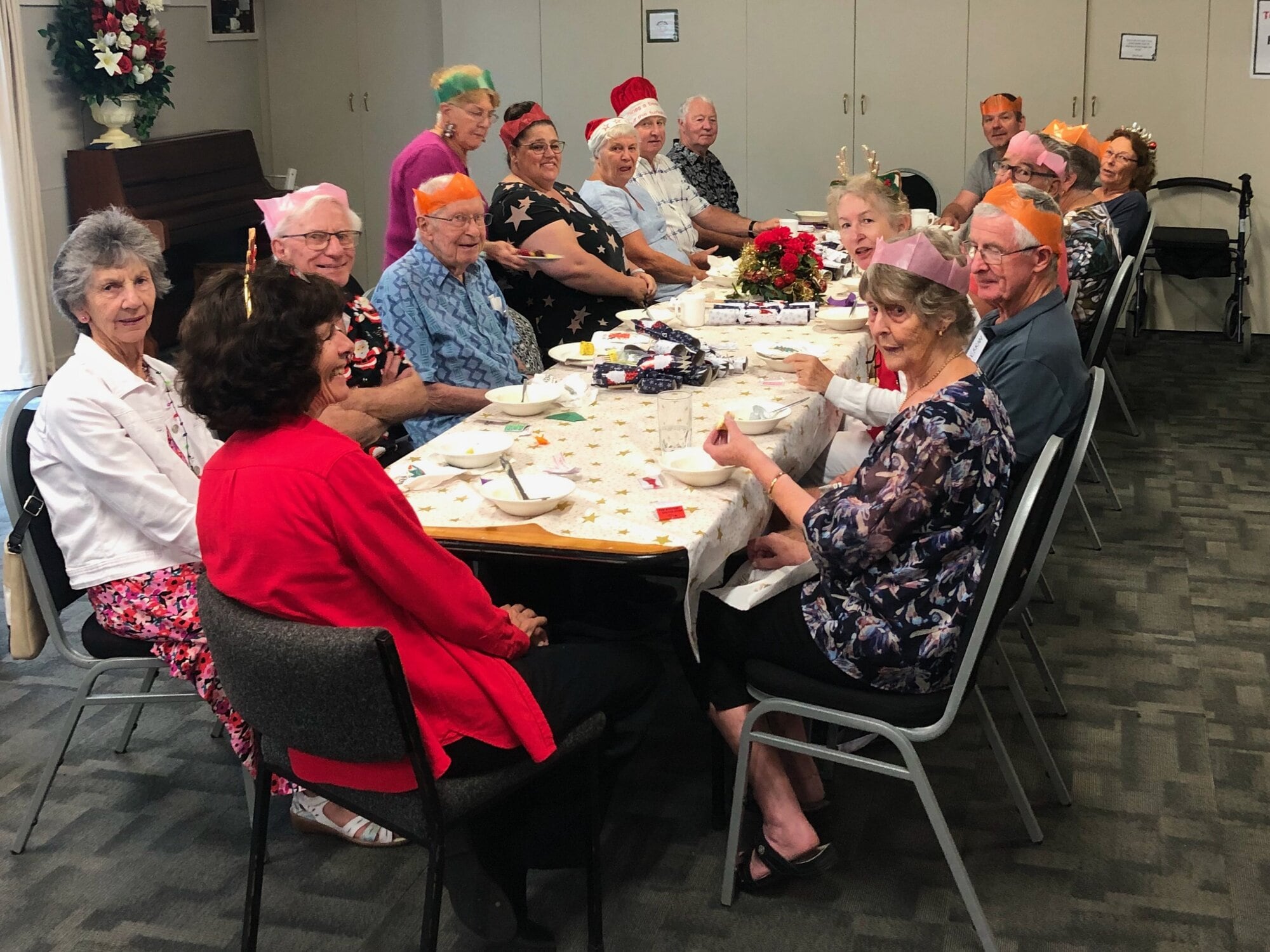
AphasiaNZ Bay of Plenty support group Christmas lunch. Photo / Supplied
Milford wanted to raise the profile of aphasia in the health system.
During Milford’s Christmas lunch for her Bay of Plenty support group, one of the group members came up to her and said: “I don’t know what I would’ve done if you hadn’t come to visit me after my stroke. I wouldn’t be where I am now.”
The woman had been coming to the group every week, and Milford had watched her regain her ability to drive and visit the dentist independently.
She had a dream for an aphasia centre in Auckland.
“People could stay for a four-week period and receive intensive rehab, and their families could go to support groups and do training and learn more about aphasia.
“You’d have a book club, an art group, a music therapy group, and a social worker to help sort benefits and finances.”
For now, she was juggling her responsibilities as trustee and secretary for the trust while working on a cookbook for people with aphasia, featuring recipes from people with the condition.
Bijou Johnson is a multimedia journalist based in the Bay of Plenty. A passionate writer and reader, she grew up in Tauranga and developed a love for journalism while exploring various disciplines at university. She holds a Bachelor of Arts in Classical Studies from Massey University.

0 comments
Leave a Comment
You must be logged in to make a comment.